
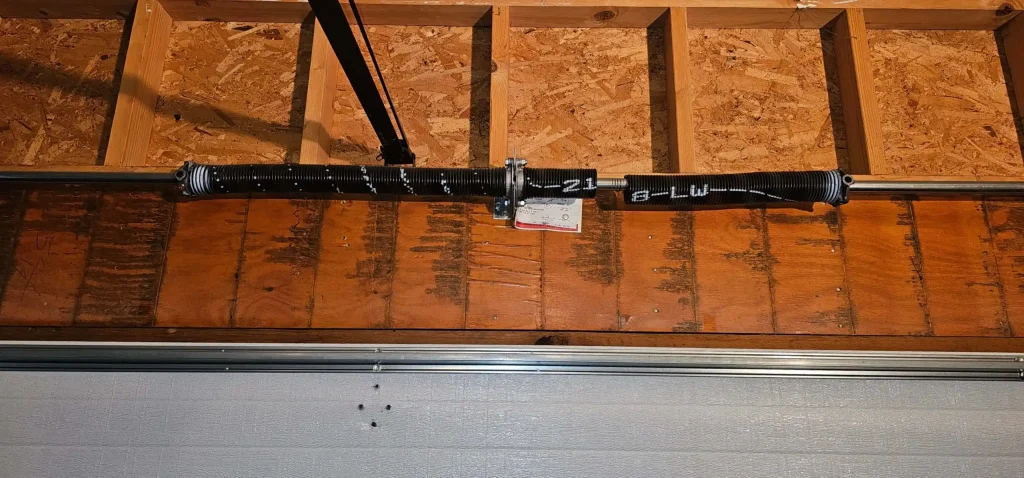
Yes, worn garage door springs can be dangerous. They hold a huge amount of stored energy, and when they fail, they can snap suddenly, send metal parts flying, or cause a heavy door to slam down without warning. For homeowners in Richmond, TX, where hot summers and humidity put extra stress on garage door parts, worn springs are one of the most common and most overlooked safety issues around the house.
A garage door is often the heaviest moving object in a home. It can weigh well over 150 pounds. The springs are what make that weight feel light enough to lift. When those springs wear down, the whole system becomes risky to use. The good news is that the warning signs are easy to spot once a person knows what to look for. This guide breaks down everything in plain language, including what to check, how to prevent problems, and when it is time to schedule a garage door spring repair with a local pro.
Understanding How Garage Door Springs Work
Before talking about the danger, it helps to understand the job these springs do. Garage door springs carry the entire weight of the door. They store energy when the door is closed and release it when the door opens. This is what lets a person (or a motor) lift a very heavy door with little effort.
There are two main types:
- Torsion springs. These sit on a metal bar above the door opening. They twist and unwind to move the door. Most modern homes in Richmond use this type because it lasts longer and works smoothly.
- Extension springs. These run along the tracks on each side of the door and stretch out as the door moves. They are common on older doors.
Both types are under serious tension at all times. That tension is exactly why a worn or broken spring can be so dangerous. The spring is not just a part that wears out quietly. It is a tightly wound piece of metal holding back a lot of force.
Curious how many years these springs are built to handle? Take a look at the guide “How Long Do Garage Door Springs Last?“ for a closer look.
Yes, Worn Springs Can Be Dangerous (Here Is Why)
Worn springs are dangerous because they are unpredictable. A spring near the end of its life can hold for weeks and then fail in a single second. When it does, several things can happen at once.
The stored energy has to go somewhere. A snapping torsion spring can release with a loud bang and whip metal pieces across the garage. A failing extension spring without a safety cable can turn into a flying object. And because the springs are what hold the door up, a sudden failure can let the door crash down fast.
Anyone standing under or near the door during a failure is at risk. Pets and children are especially at risk because they may not move out of the way in time. This is not meant to scare anyone. It is just the honest reason why garage door pros treat spring work with so much caution.
Want to know what pushes a spring past its limit in the first place? The article “What Causes Garage Door Springs to Break?“ breaks it all down.
Warning Signs of Worn Garage Door Springs
Most springs give clues before they fail completely. Catching these early is the safest and most affordable path. Watch and listen for these signs:
- The door feels heavy or will not stay open. A healthy door should stay in place when stopped halfway. A door that drops or feels heavy points to weak springs.
- The door opens crooked or sticks. One side lifting faster than the other is a balance problem often tied to springs.
- Loud bangs or popping sounds. A sharp bang from the garage, almost like a firecracker, often means a spring has snapped.
- A visible gap in the spring. A broken torsion spring usually shows a clear two-inch gap where the coil split.
- The opener strains or struggles. When springs weaken, the motor works harder and may sound louder or slower than usual.
- The door reverses or stops partway. Safety sensors and weak springs together can cause odd stopping behavior.
If any of these show up, it is smart to stop using the door and have it checked. Forcing a door with a worn spring only adds risk.
Ever wonder why a spring can give out with no warning at all? The post “Why Do Garage Door Springs Snap Suddenly?“ explains exactly what happens.
The Real Risks of Ignoring Worn Springs
Putting off a spring problem rarely saves money or stress. It usually does the opposite. Ignoring worn springs can lead to several problems that stack on top of each other.
First is the safety risk to people and pets, as covered above. Second is damage to the rest of the door system. When one spring fails, the opener, cables, rollers, and tracks all take on stress they were never designed to handle. That can turn a simple spring fix into a much bigger repair.
Third is the risk of getting stuck. A failed spring can trap a car inside the garage or leave the door stuck open overnight, which is a security concern. In a busy Richmond neighborhood, an open garage door is an open invitation. Fourth is the temptation to force the door by hand or with the opener, which can burn out the motor or cause the door to come down hard.
The takeaway is simple. A worn spring is a small problem that grows fast. Handling it early keeps everyone safer and keeps repair needs smaller.
What Causes Springs to Wear Out (Especially in Richmond, TX)
Springs do not last forever. They are rated by cycles, and one cycle equals the door going up and then down. A standard spring is often rated for around 10,000 cycles. A family that opens the door several times a day can reach that number in just a few years.
Local conditions in Richmond, TX speed things up:
- Heat and humidity. Long, hot summers and humid air cause metal to expand, contract, and wear faster over time.
- Moisture and rust. Gulf Coast humidity can lead to rust, which weakens the metal and shortens spring life.
- Heavy daily use. Homes that use the garage as the main entrance run more cycles per day.
- Lack of maintenance. Springs that are never lubricated or inspected wear out sooner.
- Sudden temperature swings. Cool mornings and very hot afternoons add stress to the metal.
Knowing these causes helps homeowners understand why two doors on the same street can wear out at different times. Usage and care matter as much as age.
What to Check Before Calling a Pro
There are a few safe things a homeowner can check before booking a repair. Note the word safe. None of these steps involve touching, adjusting, or removing the springs themselves. That part is best left to a trained technician.
Here is a simple, no-contact checklist:
- Look at the springs from a distance. Check for a visible gap, rust, or a stretched-out look. Do not touch them.
- Listen during operation. Notice any new banging, grinding, or straining sounds.
- Watch the balance. See if the door lifts evenly or pulls to one side.
- Check the door speed. A door that moves slower than normal may signal weak springs.
- Inspect the cables visually. Frayed cables often go hand in hand with spring problems.
- Test the manual stay (carefully). With the opener disconnected by a pro or per the manual, a balanced door should hold halfway. If unsure, skip this and let a technician test it.
If anything looks off, the safest move is to stop using the door and call a licensed garage door technician in the Richmond area.
Tips to Help Garage Door Springs Last Longer
A little care goes a long way. These habits help springs reach their full lifespan and lower the chance of a surprise failure.
- Schedule a yearly tune-up. A professional inspection catches small issues before they grow. Once a year is a good rule for Richmond homes.
- Keep parts lubricated. Using a proper garage door lubricant on moving parts (not over-spraying the springs) helps reduce friction. Ask a pro which product fits the system.
- Keep the door balanced. A balanced door puts less strain on springs and the opener.
- Watch the weight. Adding heavy items or insulation to a door can overload springs rated for the original weight.
- Do not slam the door. Smooth operation matters. Avoid forcing a stuck door.
- Replace springs in pairs. When one wears out, the other is usually close behind. Replacing both at once is common practice and keeps the door balanced.
- Address rust early. In humid Richmond weather, catching rust early protects the metal.
Simple, steady care is cheaper and safer than emergency repairs.
Why Spring Repair Is a Job for Professionals
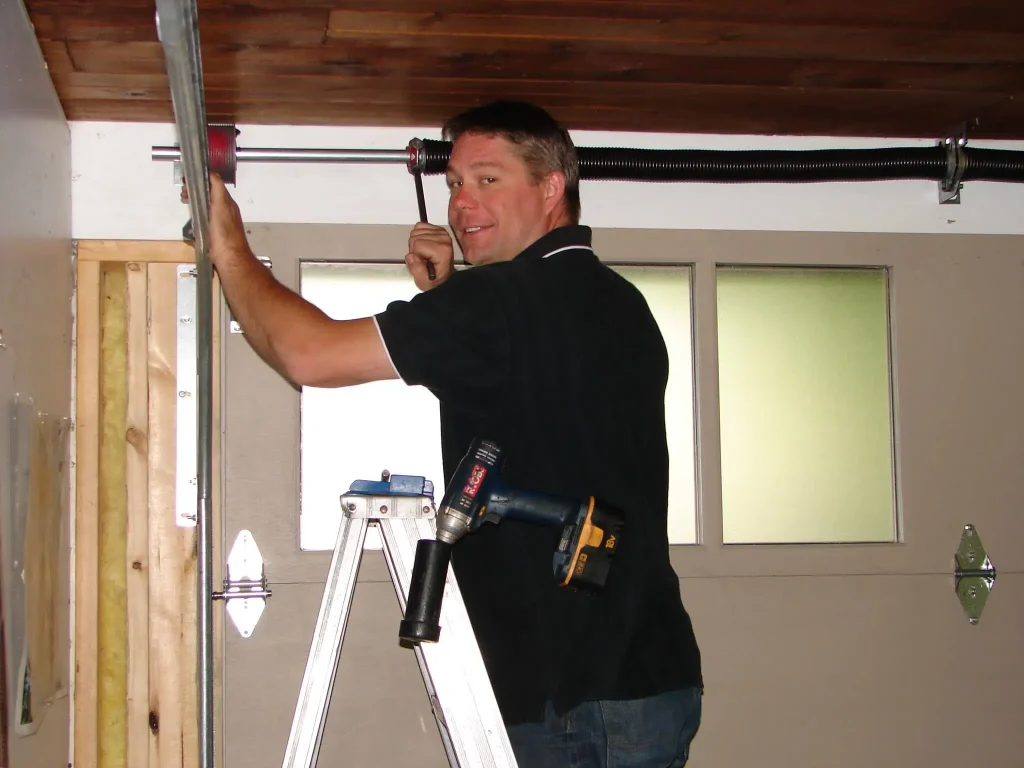
This is the most important part of the whole guide. Garage door spring repair is not a beginner project. The high tension stored in these springs is the same force that makes them dangerous when they fail. The same energy can injure someone during a do-it-yourself attempt.
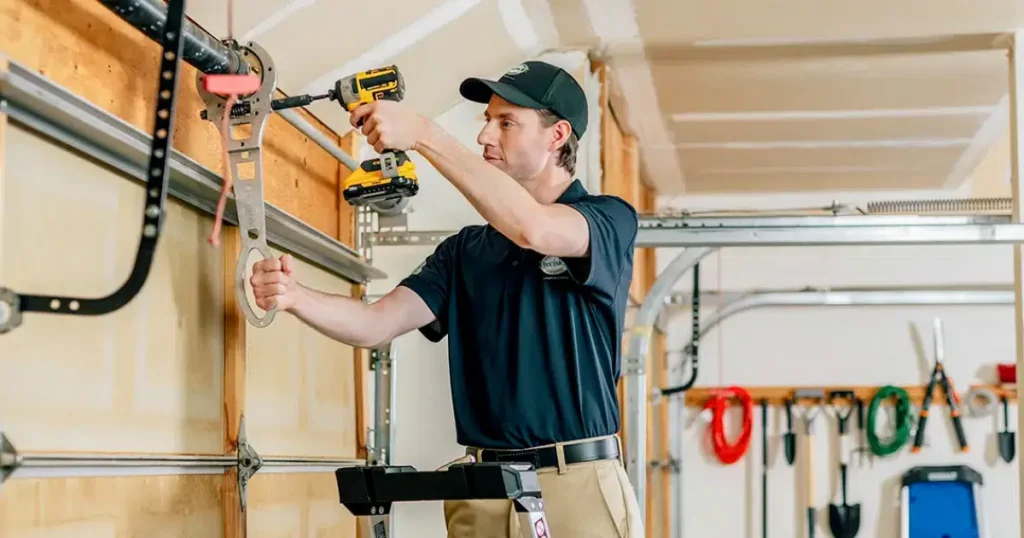
Trained technicians use special tools, like winding bars, and follow safety steps built from years of hands-on work. They know how to release tension safely, pick the right spring size, and balance the door correctly. A spring that is the wrong size or installed wrong can fail again quickly or damage the opener.
There is also the matter of doing the job right the first time. A professional checks the cables, rollers, and balance while replacing the spring. That full-system view is something a quick online video cannot provide. For safety and peace of mind, spring work belongs in the hands of a qualified local pro.
What to Expect From Professional Spring Replacement
Knowing what a repair looks like helps homeowners feel confident when they call. A typical professional spring replacement follows a clear process.
The technician first inspects the full door system, not just the spring. They confirm the spring type and size and check for related wear on cables and rollers. Then they safely release the old tension, remove the worn spring, and install a new one matched to the door’s weight and use. After that, they re-balance the door and test it to make sure it moves smoothly and safely.
Most spring replacements are completed the same day, often within a couple of hours. As for the average cost, spring replacement is usually a mid-range repair compared to bigger jobs like a full door replacement. Prices vary based on spring type, door size, and whether one or both springs are replaced. A trustworthy company in Richmond will explain the average cost up front and avoid surprise fees. Asking for a clear estimate before work begins is always a smart move.
How to Choose a Trusted Garage Door Company in Richmond, TX
The right company makes all the difference in safety and value. Use these tips when choosing a garage door repair service in the Richmond area:
- Check local reviews. Look for steady, recent feedback from nearby neighborhoods in Fort Bend County.
- Confirm licensing and insurance. This protects the home and everyone involved.
- Look for spring experience. Ask how long the company has handled torsion and extension springs.
- Expect clear estimates. A good company explains the average cost and the work needed before starting.
- Ask about warranties. Quality springs and labor often come with a warranty.
- Value fast response. A broken spring can trap a car or leave a home open, so quick local service matters.
A local team that knows Richmond’s climate and common door types can spot issues that an outside company might miss. Local knowledge is part of doing the job well.
Keep Your Garage Door Safe Year-Round
Worn garage door springs are more than a small annoyance. They are a real safety concern that deserves attention. The springs hold the full weight of a heavy door under constant tension, and when they wear out, they can fail fast and cause harm. The smart approach is to watch for the warning signs, keep up with yearly maintenance, and never try to handle the high-tension springs without training.
For homeowners in Richmond, TX, the hot and humid climate makes regular checks even more important. Catching a worn spring early keeps families safe, protects the rest of the door system, and avoids bigger repair needs down the road. When a spring shows signs of wear, the safest and simplest step is to call a trusted local garage door professional for a proper garage door spring installation and let an expert handle it the right way.
Trusted Garage Door Help in Richmond, TX
First Call Garage Doors proudly serves Richmond, TX with safe, reliable, and friendly spring service. The team brings hands-on experience, honest advice, and local know-how built for Richmond’s climate. Do not wait for a worn spring to become a bigger problem. Contact us today or give us a call to schedule your inspection and get your garage door working safely again.
Frequently Asked Questions
What is the lifespan of garage door springs?
Most are rated for about 10,000 cycles, which is roughly 4 to 7 years for an average home. Heavy daily use shortens that.
What does a broken torsion spring look like?
Look for a clear two-inch gap in the coil. That gap is the most common sign a torsion spring has snapped.
Can a garage door still open with a broken spring?
It should not be forced open. The opener cannot safely lift the full weight, and forcing it can damage the motor or cause the door to drop.
Should both springs be replaced if only one breaks?
Yes, replacing both at once is standard practice. The second spring is usually near the end of its life too, and matching pairs keeps the door balanced. For more home maintenance guidance, resources like This Old House offer helpful tips.
Why do springs wear out faster in Richmond, TX?
Heat, humidity, and rust from Gulf Coast weather speed up metal fatigue, and heavy daily use adds more cycles. Trusted home care sites like The Spruce explain how climate affects household parts over time.
Is it safe to replace garage door springs yourself?
No. The high tension makes this a job for trained technicians with the right tools. Do-it-yourself attempts cause serious injuries every year.
What is the average cost of spring replacement?
It is usually a mid-range repair compared to a full door replacement. The average cost depends on spring type and door size, so ask for a clear estimate first.
How can spring problems be prevented?
Schedule a yearly tune-up, keep parts lubricated, maintain door balance, and address rust early. Steady maintenance is the best prevention.
How fast can a worn spring be fixed?
Most professional spring replacements are done the same day, often within a couple of hours, once a technician arrives.