
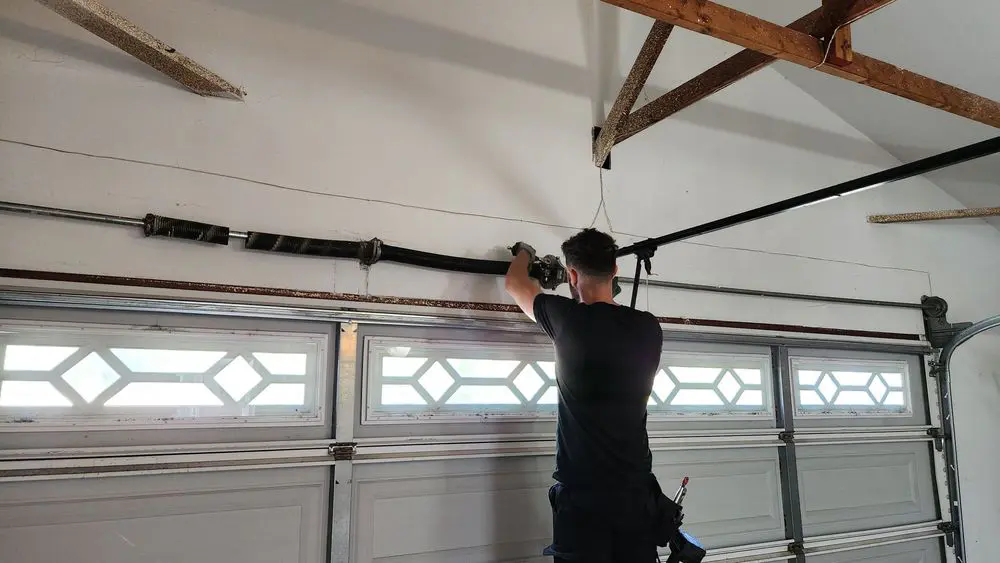
That loud BANG from the garage that sounds like a gunshot? Nine times out of ten in Richmond TX, that noise is a garage door spring snapping. Garage door springs snap suddenly because they wear out from thousands of open-and-close cycles, and that wear gets sped up by rust, humidity, big temperature swings, and skipped maintenance. The break feels sudden, but the damage was building for months.
Below is a clear, no-nonsense breakdown of why this happens, what to watch for, and when garage door spring repair becomes the smart move to keep it from catching you off guard. This guide comes straight from hands-on experience servicing garage doors across Fort Bend County, where the Gulf Coast heat and moisture put springs through a lot.
What a Garage Door Spring Actually Does
Before the “why,” it helps to understand the “what.” A garage door is heavy, often 150 pounds or more. The opener motor does not lift all of that weight. The springs do.
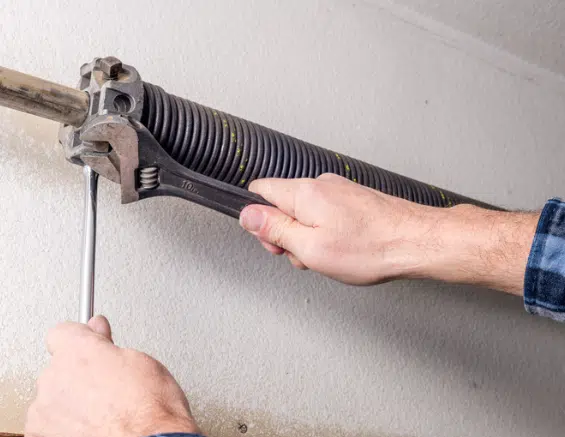
Springs store tension, then release it to do the heavy lifting. There are two main types:
- Torsion springs sit on a metal bar above the door and twist to create power. Most homes in Richmond TX use these.
- Extension springs run along the tracks on each side and stretch out as the door closes.
Both types are under serious tension all day, every day. That tension is what makes them powerful, and it is also what makes them break with a loud bang when they finally give out.
Curious how much time you have before that day comes? Take a look at the guide on “How Long Do Garage Door Springs Last?” for a full breakdown.
8 Reasons Garage Door Springs Snap Suddenly
1. Normal Wear and Tear (Springs Have a Lifespan)
This is the number one reason, plain and simple. Springs are rated by “cycles.” One cycle equals the door going up once and down once. A standard spring is rated for about 10,000 cycles.
That sounds like a lot until you do the math. A family that opens the door four or five times a day will burn through 10,000 cycles in roughly seven to nine years. After that, the metal has been stretched and released so many times that it gets weak and brittle. One last cycle is all it takes, and snap.
So when a spring breaks “out of nowhere,” it usually reached the end of its rated life. The snap is the last chapter of a long story.
Want the complete picture beyond simple wear and tear? The article on “What Causes Garage Door Springs to Break?” covers every culprit in detail.
2. Rust and Corrosion From Humidity
Richmond TX sits close to the Gulf, and the air here holds a lot of moisture. That humidity is rough on metal. When rust forms on a spring, it does two bad things at once.
First, rust eats away at the metal and makes the coils thinner and weaker. Second, rust creates friction between each coil, so the spring grinds against itself every time it moves. That extra friction wears the spring out faster than the cycle rating would suggest.
A spring that should have lasted nine years might give out in five if rust sets in early. Garages that are not sealed well, or that sit in low spots where damp air collects, see this problem the most.
A rusted, weakened spring is not just a performance problem, it is a safety one. Find out why in “Are Worn Garage Door Springs Dangerous?”
3. Sudden Temperature Swings
Metal expands when it heats up and contracts when it cools down. Texas weather is famous for big swings, like a 90-degree afternoon followed by a sharp cold snap overnight in winter.
Cold metal becomes more brittle. A spring that is already worn and weak is much more likely to snap on a cold morning than on a warm one. This is why so many homeowners report their spring breaking on the first chilly day of the season. The cold did not cause all the damage, but it was the final push.
4. Skipped Maintenance and No Lubrication
Springs need a light coat of lubricant to move smoothly. Without it, the coils rub and create heat and friction, the same way an engine seizes up without oil. Dry, neglected springs wear out years ahead of schedule.
Most homeowners never think to touch their springs, which is understandable. But a door that goes years with zero maintenance is a door living on borrowed time. A quick yearly tune-up by a technician catches small problems before they turn into a snapped spring and a stuck car.
5. Low-Quality or Builder-Grade Springs
Not all springs are built the same. Many homes, especially in newer Richmond TX subdivisions, come with builder-grade springs. Builders often choose the cheapest parts that meet the minimum standard, which keeps construction costs down.
These low-cycle springs might be rated for only 10,000 cycles when a high-cycle option could last 20,000 or even 30,000 cycles. A budget spring on a busy household door simply does not last. When it breaks early, the part itself was the weak link.
6. The Wrong Spring Size for the Door
A spring has to be matched to the exact weight and size of the door. The math here matters more than people realize. The wire size, the length, and the inside diameter all have to fit the door it is lifting.
If a spring is undersized, it works overtime on every single cycle. That constant strain wears it out fast and leads to an early snap. Mismatched springs usually come from a quick fix, a parts swap done without measuring the door, or guesswork during a rushed installation.
7. Only One Spring Was Replaced Last Time
Many doors use two springs working as a team. Here is a mistake that comes up all the time: a spring breaks, and only that one gets replaced to save a little money.
The problem is that both springs aged together and are equally worn. Replacing only one leaves a brand-new spring paired with an old, tired one. The old spring snaps soon after, and now there are two service calls instead of one. On a two-spring system, replacing both at the same time is almost always the smarter call.
8. DIY Installation Mistakes
Spring repair looks simple on a video, but it is one of the most dangerous home repairs around. A spring under full tension holds enough force to break bones or worse if it slips.
Beyond the safety risk, a DIY job often ends with springs that are wound too tight, mounted at the wrong angle, or sized incorrectly. All of those errors put extra stress on the metal and shorten its life. A spring installed wrong can fail in months instead of years.
Warning Signs a Garage Door Spring Is About to Break
Springs almost always drop hints before they fail. Catching these early can turn an emergency into a simple scheduled repair. Keep an eye and an ear out for:
- A loud bang from the garage. This usually means a spring has already snapped.
- The door feels much heavier than usual or struggles to lift.
- A gap or separation in the spring coil. A broken torsion spring often shows a clear two-inch gap.
- The door opens crooked or one side lifts faster than the other.
- Loud squeaking, grinding, or popping during operation.
- The opener strains, then stops partway up.
- The door slams down hard instead of lowering smoothly.
If any of these show up, it is smart to stop using the door and call a technician. Forcing a door with a failing spring can damage the opener and the panels, which turns a small fix into a big one.
How to Make Garage Door Springs Last Longer in Richmond TX
Springs will not last forever, but the right habits can stretch their life by years. These tips are built for the local climate and everyday wear.
- Get a yearly tune-up. A pro can spot rust, wear, and balance issues long before they cause a break. This is the single best way to avoid a surprise failure.
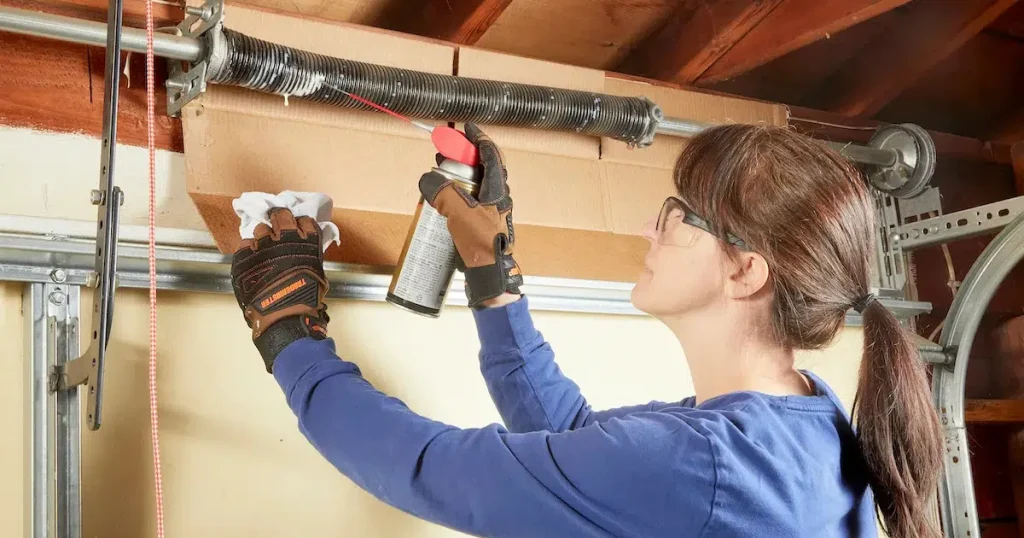
- Keep the springs lightly lubricated. A garage-door-specific lubricant cuts friction and fights rust. Avoid heavy grease, which collects dirt and gums up the works.
- Watch the humidity. Good garage ventilation and keeping the door sealed help control the moisture that causes rust along the Gulf Coast.
- Test the door balance. With the opener disconnected, a healthy door should stay put when raised halfway. A door that drops or shoots up is telling you the springs are off.
- Upgrade to high-cycle springs. When it is time to replace, choosing a higher-cycle spring costs a bit more up front but can last two to three times longer. For busy households, the average cost difference pays for itself.
- Replace springs in pairs. On a two-spring door, swapping both at once keeps the system balanced and prevents a quick repeat failure.
What to Do the Moment a Spring Snaps
A snapped spring can feel like an emergency, and acting calmly helps protect the door and everyone around it.
- First, stop using the door. Do not keep hitting the opener button. The motor is not built to lift a door without working springs, and forcing it can burn out the opener or bend the panels.
- Second, do not try to lift the door by hand. Without the spring doing its job, that full weight can come crashing down. If a car is trapped inside, leave it and wait for help rather than risking the door slamming on it.
- Third, keep people and pets away from the door until a technician arrives. The other spring, if there is one, may still be under tension.
- Then call a local garage door professional. Most spring failures in the Richmond TX area can be handled with a same-day or next-day visit, and the average cost of a spring replacement is far lower than the cost of repairing a damaged opener or door section after a forced operation.
Why Spring Repair Is a Job for a Trained Technician
It is worth saying plainly: garage door spring repair is not a beginner DIY project. The tension stored in these springs is enough to cause serious injury. Every year, emergency rooms see hand, face, and head injuries from spring jobs gone wrong.
A trained technician brings the right winding bars, the correct replacement parts measured to the door, and the experience to set the tension safely and accurately. The job that takes a pro under an hour can take an untrained person a full day and a trip to urgent care.
There is also the matter of getting it right. A correctly sized and properly installed spring lasts its full rated life. A guess does not. Hiring a qualified local pro protects both safety and the wallet over the long run.
Protecting Your Garage Door for the Long Haul
Garage door springs snap suddenly because they wear out from thousands of cycles, and that wear speeds up thanks to Richmond TX humidity, temperature swings, rust, skipped maintenance, and low-quality or mismatched parts. The break feels like it came out of nowhere, but the warning signs were usually there.
The good news is that simple steps go a long way. Yearly maintenance, light lubrication, balance checks, quality springs, and proper garage door spring installation can add years to their life. And when a spring does fail, leaving the repair to a trained technician keeps everyone safe and the door working like new.
A garage door is something most people use every single day without a second thought. A little care keeps it that way.
Trusted Garage Door Help in Richmond TX
When a spring snaps or starts to wear out, First Call Garage Doors is ready to help. The team brings real hands-on experience, properly sized parts, and careful workmanship that keeps your door safe for years. Homeowners across Richmond TX and Fort Bend County count on fast, friendly, and honest service. Contact us today or give us a call to schedule your spring repair or tune-up.
Frequently Asked Questions
Can a garage door open with a broken spring?
No. The springs do the lifting, not the opener. Forcing it can damage the motor and door panels.
Is it safe to fix a garage door spring myself?
Not recommended. Springs hold enough tension to cause serious injury. This repair is best left to a trained technician.
Should both springs be replaced if only one breaks?
Yes, on a two-spring door. Both age equally, so replacing the pair prevents a quick second failure.
Why did my spring break in cold weather?
Cold makes metal brittle. A spring that is already worn is more likely to snap on a chilly Richmond TX morning. For more on how temperature affects metal, Family Handyman is a helpful resource.
How can I tell if my spring is going bad?
Look for a heavy door, a crooked lift, loud popping or grinding, or a visible gap in the coil. Bob Vila offers additional tips on spotting early warning signs.
Does humidity really affect garage door springs?
Yes. Gulf Coast moisture causes rust, which weakens the metal and wears springs out faster.
How often should garage door springs be lubricated?
About every three to six months with a garage-door-specific lubricant. Avoid heavy grease.
What is the average cost to replace a garage door spring?
The average cost is modest compared to fixing a damaged opener or door, and high-cycle upgrades cost a little more.
How fast can a broken spring be fixed?
Most local technicians offer same-day or next-day service for spring replacements in the Richmond TX area.