
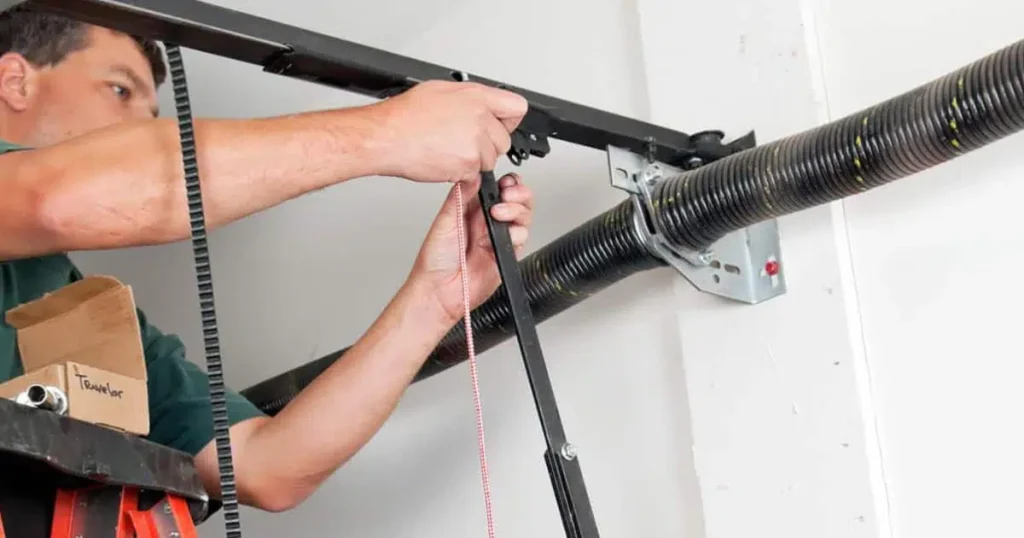
That loud “bang” coming from the garage is a sound no homeowner wants to hear. For many families in Richmond, TX, it usually means one thing: a broken garage door spring. One minute the door works fine, and the next it refuses to budge or feels twice as heavy as normal.
Garage door springs do a lot of heavy lifting. In fact, they carry almost the entire weight of the door every single time it opens and closes. So when a spring snaps, the whole system stops working, and that often means a call for garage door spring repair. Understanding what causes garage door springs to break can help homeowners catch problems early, stay safe, and avoid getting stuck with a door that will not move.
Before getting into the reasons, here is a quick and simple breakdown. Most garage doors use one of two types of springs. Torsion springs sit on a metal bar above the door and twist to lift it. Extension springs run along the tracks on the sides and stretch to do the work. Both wear out over time, just in slightly different ways.
Here are the most common reasons garage door springs break, along with tips on what to watch for and how to keep it from happening.
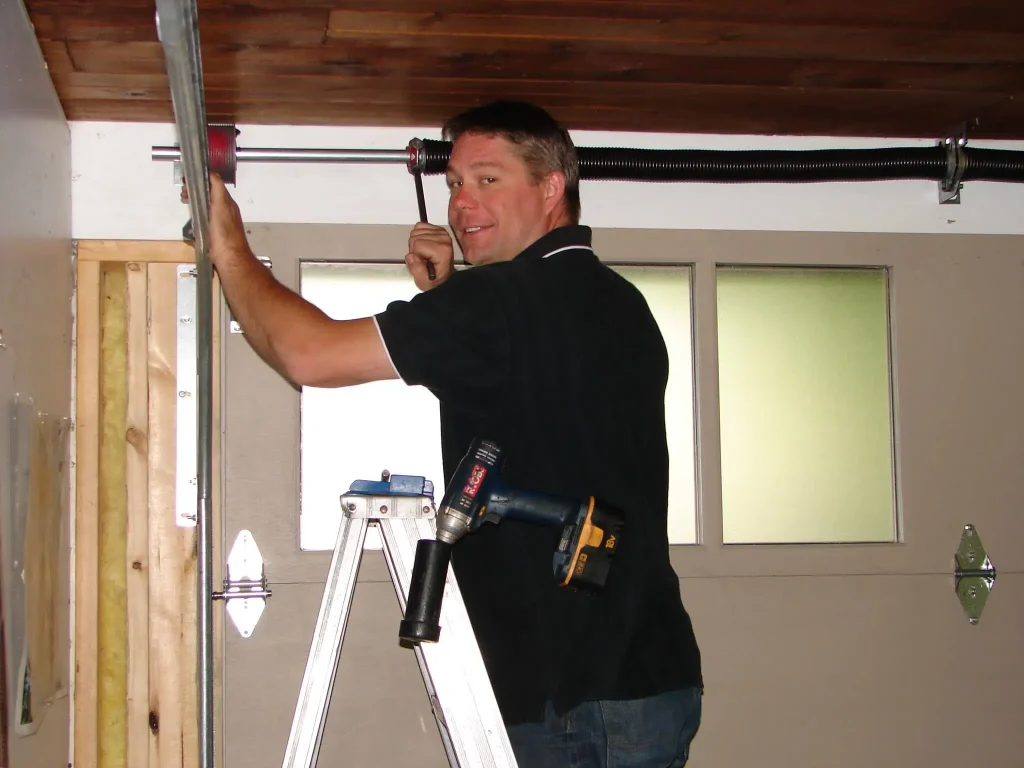
Normal Wear and Tear (The Cycle Count)
The number one cause of broken springs is simply age and use. Garage door springs are rated by something called a “cycle.” One cycle equals the door opening once and closing once. Most standard springs are rated for around 10,000 cycles.
That might sound like a lot, but it adds up fast. A busy family that opens the garage door four to six times a day can hit that limit in about seven to nine years. Homes that use the garage as the main entrance burn through cycles even quicker.
Once a spring reaches the end of its cycle life, the metal becomes weak and brittle. Eventually it gives out, often with no warning at all.
Tip: Ask a garage door technician about high-cycle springs. These are rated for 20,000 cycles or more and can last much longer. They cost a bit more upfront, but the average cost difference is small compared to how many extra years of use they provide.
What to check: Look at the springs above or beside the door. If they look stretched out, gapped, or uneven, the cycle life may be running low.
Want to know exactly how much life is left in your springs? Check out the guide “How Long Do Garage Door Springs Last?“ for a closer look.
Rust and Corrosion
This reason hits especially close to home for anyone living in Richmond, TX. The Gulf Coast brings warm, humid air for much of the year, and that moisture is hard on metal parts. Over time, rust forms on the coils of the spring.
Rust does two things, and both are bad. First, it adds friction, which means the coils grind against each other every time the door moves. Second, it eats away at the metal and weakens it. A rusty spring is a spring living on borrowed time.
Tip: A light coat of garage door lubricant helps create a barrier against moisture. Spraying the springs a few times a year can slow down rust in humid areas like Fort Bend County.
What to check: Look for orange or brown spots on the springs. Reddish dust on the garage floor under the springs is another sign rust is forming.
Curious why a spring lets go in an instant instead of slowly wearing down? The article “Why Do Garage Door Springs Snap Suddenly?“ breaks it all down.
Lack of Lubrication and Maintenance
Garage door springs are not “set it and forget it” parts. They need a little care to stay healthy. When springs go dry, the metal coils rub together with nothing to ease the movement. That extra friction speeds up wear and shortens the spring’s life by years.
Most broken springs that fail early can be traced back to a lack of basic maintenance. The garage is one of those spots in the house that is easy to ignore until something stops working.
Tip: Use a silicone-based or garage-door-specific lubricant on the springs about every three to four months. Avoid heavy grease, since it can collect dust and dirt over time.
What to check: If the door is squeaky, jerky, or noisy while moving, the springs and other moving parts are probably asking for lubrication.
Worried that worn springs might be more than just an annoyance? The post “Are Worn Garage Door Springs Dangerous?“ explains the real risks to watch for.
Poor Quality or Wrong-Sized Springs
Not all springs are created equal. Some homes, especially newer builds, come with builder-grade springs that are made to keep costs low rather than last long. Other times, a previous repair used a spring that was the wrong size or weight for the door.
When a spring does not match the door, it has to work harder than it should. A spring that is too small for a heavy door wears out fast. The same goes for low-quality metal that simply cannot handle the daily strain.
Tip: Always have springs installed by a trained professional who measures the door properly. The right spring matched to the right door weight makes a huge difference in how long the system lasts.
Solution: If springs keep breaking sooner than expected, the wrong size may be the hidden cause. A proper inspection can confirm whether the springs match the door.
Sudden Temperature Changes
Texas weather is known for its swings. A hot afternoon can be followed by a cold front that drops the temperature in a hurry. Metal reacts to these changes by expanding in heat and contracting in cold.
For garage door springs, this constant expanding and shrinking adds stress to the metal. Cold mornings are actually the most common time for springs to snap. The metal becomes more brittle in the cold, so a spring that was already weak finally lets go when the temperature drops.
What homeowners notice: Many broken springs happen first thing in the morning, especially during a winter cold snap. The garage door feels stuck or only opens a few inches before stopping.
Tip: There is no way to control the weather, but keeping springs lubricated and in good shape helps them handle temperature swings better.
Improper Garage Door Balance
A garage door is supposed to be balanced so the springs carry the weight evenly. When a door is out of balance, the springs and the opener have to fight against gravity instead of working with it. That extra strain wears springs out fast.
An unbalanced door also puts pressure on the garage door opener, which can lead to even more repairs down the road. The whole system works best when everything is set up correctly.
The balance test (a quick mention): Garage door pros check balance by disconnecting the opener and lifting the door by hand to a halfway point. A balanced door stays put. A door that slams down or shoots up is out of balance. This test involves moving parts under tension, so it is best left to a trained technician.
Tip: If the door feels heavy, opens unevenly, or the opener strains and struggles, the balance is likely off. A professional adjustment can take the load off the springs.
Accidental Damage or Forcing the Door
Sometimes the cause is more direct. Forcing a stuck door open, hitting it with a vehicle, or letting debris pile up in the tracks can damage springs and the parts around them. Even backing into a closed door can throw the whole system out of line and stress the springs.
Old springs are also more likely to break from a small bump that a newer spring would shrug off. Age makes everything more fragile.
Tip: Never force a garage door that feels stuck. A door that does not want to move is trying to tell you something. Forcing it can turn a small problem into a big, expensive one.
What to check: Keep the tracks clear of dirt, leaves, and small objects. Make sure nothing is blocking the path of the door.
Warning Signs Your Garage Door Spring Is About to Break
Springs rarely give a polite heads-up, but they do drop a few hints. Watch for these red flags:
- The garage door feels much heavier than usual
- The door opens slowly or only a few inches before stopping
- A loud bang comes from the garage, even if the door still works for now
- The door looks crooked or hangs at an angle when opening
- There is a visible gap in the torsion spring coil
- The opener strains, grinds, or struggles to lift the door
- Loose or hanging cables appear near the door
Catching these signs early can prevent getting stuck with a door that will not open when it is needed most.
What to Do If Your Garage Door Spring Breaks in Richmond, TX
A broken spring is more than an inconvenience. It is also a safety issue. Garage door springs hold a huge amount of tension, and a snapped spring can cause the door to slam down without warning.
If a spring breaks, here is the smart move:
- Stop using the door right away, including the opener
- Do not try to lift the door by hand, since it can be dangerously heavy
- Keep kids and pets clear of the garage
- Call a licensed garage door repair company in the Richmond, TX area
Spring replacement is not a beginner project. The tension in these parts can cause serious injury, which is why this repair belongs in the hands of a trained professional. The average cost of spring replacement is reasonable when handled by a pro, and it usually includes inspecting the rest of the system to catch other worn parts.
A good local technician knows the Richmond climate and how the Gulf Coast humidity affects garage door systems. That local knowledge helps them recommend the right springs for homes in Fort Bend County.
How to Make Your Garage Door Springs Last Longer
A little care goes a long way. Use this simple checklist to help garage door springs reach their full life span:
- Lubricate the springs and moving parts every three to four months
- Check for rust, especially during humid Texas months
- Listen for new sounds like grinding, squeaking, or popping
- Watch how the door moves and look for uneven or jerky motion
- Keep the tracks clean and clear of debris
- Schedule a professional tune-up about once a year
- Ask about high-cycle springs when it is time for a replacement
Routine maintenance is the easiest and most affordable way to avoid surprise breakdowns. Spending a few minutes a couple times a year can add years of life to the springs.
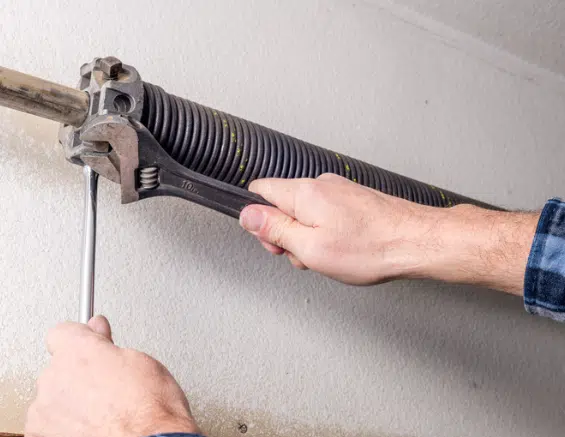
Keep Your Garage Door Springs Working Longer in Richmond, TX
Garage door springs break for a handful of common reasons: everyday wear and tear, rust, poor maintenance, the wrong springs, temperature swings, bad balance, and accidental damage. In a humid spot like Richmond, TX, moisture and weather changes make a few of these causes hit even harder.
The good news is that most of these problems can be slowed down or avoided with simple care and regular checkups. And when a spring does finally give out, professional garage door spring installation keeps everyone safe and gets the door back in working order quickly. A trusted local pro makes sure the new springs are the right size and properly set up. Knowing the warning signs and staying on top of basic maintenance is the best way to keep that garage door rolling smoothly for years to come.
Trusted Garage Door Spring Repair in Richmond, TX
When a spring breaks or starts to wear out, the team at First Call Garage Doors is ready to help. Serving homeowners across Richmond and Fort Bend County, the team knows how the local climate affects garage doors and how to match the right springs for long-lasting results. Friendly, honest, and safety-focused from start to finish. Contact us today or give us a call to get that garage door working like new again.
Frequently Asked Questions
Can a garage door still open with a broken spring?
It should not be used. The door becomes extremely heavy, and forcing it can damage the opener or cause injury.
Is it safe to replace a garage door spring myself?
No. Springs hold dangerous amounts of tension and can cause serious injury. This repair should always be done by a trained professional.
Why do garage door springs break in cold weather?
Cold makes metal more brittle, so a weak spring is more likely to snap on a chilly morning, which is common during Texas cold snaps.
Does humidity in Richmond, TX affect garage door springs?
Yes. The Gulf Coast humidity speeds up rust and corrosion, which weakens springs faster than in drier climates. Home care sources like This Old House note that moisture is one of the biggest enemies of metal parts around the home.
How often should garage door springs be lubricated?
About every three to four months. Use a silicone-based or garage-door-specific lubricant, not heavy grease. Maintenance guides such as The Spruce recommend regular lubrication to keep moving parts running smoothly.
Should both springs be replaced if only one breaks?
Usually yes. The springs share the same age and wear, so replacing both prevents the second one from failing soon after.
What is the average cost to replace a garage door spring?
The average cost is reasonable for most homes and depends on the spring type and door size. A local technician can give an exact quote.
How can I tell if my garage door is out of balance?
If the door feels heavy, opens unevenly, or the opener strains, the balance is likely off. A professional can confirm and adjust it safely.
Can a tune-up really prevent broken springs?
Yes. A yearly tune-up catches rust, wear, and balance issues early, helping springs reach their full life span and avoiding surprise breakdowns.