
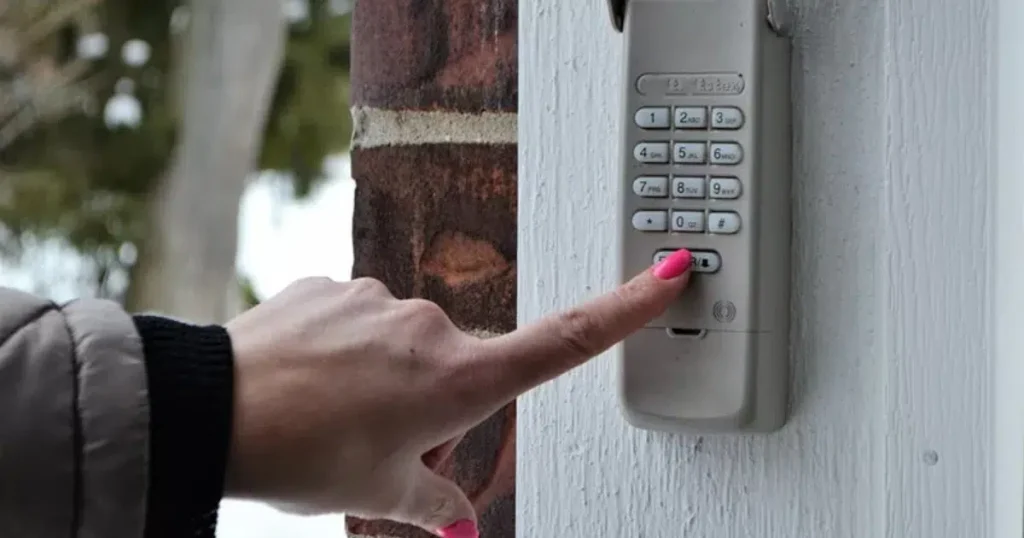
Punching in a code to open the garage without fumbling for keys is one of those small daily conveniences that makes life easier. But a question that more Richmond, TX homeowners are starting to ask is simple: is a garage door keypad actually safe to use?
The straightforward answer is yes. Wireless garage door keypads are generally safe to use, but only when set up correctly, maintained properly, and paired with smart security habits. A garage door keypad wireless is only as secure as the practices behind it, and in neighborhoods like Richmond, Cinco Ranch, and Sugar Land, where the garage is often the primary entry point into the home, this matters more than most people realize.
Here are 7 key things every Richmond homeowner should know about are garage door keypads wireless safe.
7 Things Richmond, TX Homeowners Should Know About Wireless Garage Door Keypad Safety
1. Modern Keypads Use Rolling Code Technology
Older garage door systems used a fixed code, meaning the same signal was sent every single time the button was pressed. That made them easy targets for a “code grabber,” a cheap device that could record and replay the signal to open any garage door using that system.
Today’s wireless keypads use rolling code technology, also called “Security+” or “Intellicode” depending on the brand. Every time a PIN is entered, the system generates a brand-new encrypted code. Even if someone intercepted today’s signal, it would be completely useless the next day.
What to check: Look at the garage door opener unit mounted to the ceiling of the garage. Brands like LiftMaster, Chamberlain, Genie, and Linear have used rolling code systems since the late 1990s. If the opener is more than 20 to 25 years old and does not have this feature, an upgrade is worth serious consideration.
Richmond, TX tip: The intense summer heat in Fort Bend County causes older opener components to wear out faster. If the keypad is outdated, the security vulnerability may be reason enough to replace it before it fails completely.
For a deeper look at how today’s keypad technology stacks up, check out “How Secure Are Modern Garage Door Keypads?“ for a full breakdown of what makes current systems more reliable than ever.
2. Weak PINs Are Still the Biggest Security Risk
Rolling code technology is excellent protection, but it cannot protect against a 4-digit PIN that reads “1234” or matches the house number posted on the mailbox outside.
This is one of the most common problems seen in residential garage door service calls. Homeowners set a simple PIN during installation and never change it, sometimes for years. That single habit can undo every security advantage a modern keypad offers.
Tips to protect against this:
- Use a 6-digit PIN instead of 4 digits when the keypad supports it
- Avoid birthdays, addresses, or repeating numbers like 1111 or 2222
- Change the PIN every 6 to 12 months, especially after a contractor, house guest, or repair technician has used it
- Never share a PIN over text or social media
What to check: If the PIN has not been changed since the keypad was installed, that is the first step to take. The process is simple and covered in the opener manual, or a local garage door technician can walk any homeowner through it quickly.
Curious about what else puts a keypad at risk beyond a weak PIN? The article “Can Garage Door Keypads Be Hacked?“ covers the real-world vulnerabilities homeowners in Richmond should know about.
3. Keypad Placement and Visibility Matter More Than Expected
Where a keypad is mounted can create a security problem on its own.
If the best garage door wireless keypads are positioned where someone can watch the PIN being entered from the street or a neighboring property, the security benefit is significantly reduced. This is called shoulder surfing, and it is more of a concern in tighter suburban neighborhoods, something Richmond and Pecan Grove residents should keep in mind given typical home spacing in those areas.
Tips to protect against this:
- Mount the keypad on the side of the door frame that faces away from the street when possible
- Use the body to shield the keypad when entering a PIN
- Consider a keypad model with a backlit cover or privacy shield
What to check: Stand at the street in front of the home and look toward the garage. If the keypad is clearly visible, someone passing by can see it too. Repositioning or adding a cover is a simple and inexpensive fix.
And if the concern goes beyond visibility, the article “Do Garage Door Keypads Lock Out After Failed Attempts?“ is worth a read to understand another layer of built-in protection that many homeowners do not even know their keypad has.
4. Wireless Signal Interception Is Rare but Worth Understanding
Videos circulate online showing people using signal jammers or replay attack devices to break into garages. While this is a real threat in theory, it is important to put it in proper perspective.
For most standard residential garages in Richmond, TX, modern rolling code systems make wireless signal interception extremely difficult. The more realistic threats are physical, such as an unlocked side door, a stolen remote, or a PIN that has been seen or shared.
However, for homeowners using a Wi-Fi connected or smart garage door system, there are additional cybersecurity layers to consider:
- Make sure the home Wi-Fi network uses WPA3 or WPA2 encryption
- Regularly update the firmware on smart garage door apps and hubs
- Use a strong, unique password for any connected garage app account
What to check: For smart garage code opener like myQ or Chamberlain, log into the app and confirm the firmware is current. Most apps send update notifications, but many homeowners dismiss them without a second thought.
5. Keypad Malfunctions Can Create Safety Gaps
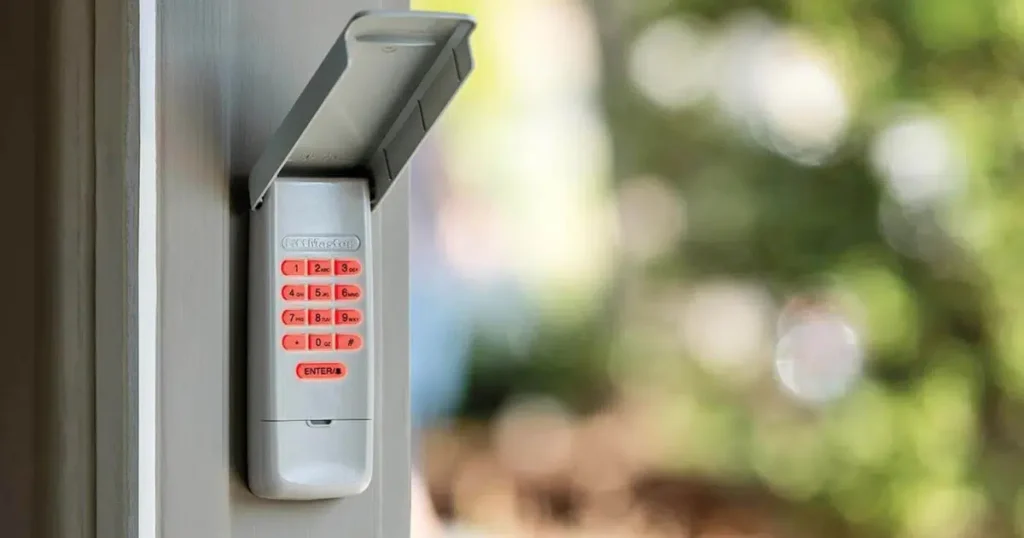
A keypad that sticks, lags, or accepts incomplete inputs is more than just frustrating, it can quietly become a security risk.
A common scenario in residential service calls involves a keypad acting up for months, leading the homeowner to disable the auto-lock feature just to avoid getting locked out. That kind of workaround leaves the home more vulnerable than most people realize.
Common keypad problems to watch for:
- Buttons that stick or require multiple presses
- Keypad that opens the door without a fully completed PIN entry
- Backlight that no longer works, making nighttime use riskier
- Slow or unresponsive performance during extreme heat, which is a real issue in Fort Bend County summers
Tips to protect against this:
- Clean the keypad regularly, since dust, dirt, and humidity accumulate fast in Texas weather
- If the keypad is more than 7 to 10 years old and acting up, replacement is usually more cost-effective than repeated repairs
- Never ignore small malfunctions since they tend to worsen over time
What to check: Press each button individually and confirm it responds cleanly. If any button feels mushy, sticks, or does not register, having a technician take a look sooner rather than later is the smart move.
6. Temporary Access Codes Add a Serious Layer of Security
Many modern wireless keypads and smart garage systems allow homeowners to create temporary or time-limited PINs, and this feature is underused by most Richmond homeowners.
This is especially useful for households that regularly deal with:
- Package delivery drivers
- Housekeepers or lawn care crews
- Kids arriving home from school
- Weekend guests
Instead of sharing the main PIN and then having to change it afterward, a temporary code can be created that expires automatically after the access window closes.
Tips to make the most of this feature:
- Check if the opener model supports guest PINs or temporary access codes (LiftMaster and Chamberlain’s myQ platform handles this well)
- Set time-restricted access windows so codes only work during specific hours
- Review the access log regularly if the smart system tracks entries
What to check: Log into the garage door app or check the opener manual to see if temporary codes are supported. If they are not, upgrading to a system that includes this feature is worth the investment.
7. Professional Installation and Routine Maintenance Are the Best Defense
The technology inside wireless garage door keypads are only as reliable as the installation, maintenance and commercial door services in Richmond, TX supporting it.
A keypad that is wired incorrectly, mounted on a moisture-trapping surface, or paired with a worn-out opener will fail sooner and perform worse than one that has been properly installed and kept up over time.
What professional service provides:
- Correct syncing of the keypad with the opener’s rolling code system
- Identification of worn weather seals or mounting issues that allow moisture in
- Testing of all security features to confirm they are active
- Reprogramming of default codes that were set during installation and never updated
Average costs to know:
- Wireless keypad replacement: affordable and typically falls in the low-to-mid range for residential parts and labor
- Smart garage door system upgrade: mid-range investment depending on brand and features
- Annual garage door tune-up including a keypad check: a low-cost preventive service that saves money in the long run
Richmond, TX tip: The humidity and heat in Southeast Texas accelerate wear on outdoor electronics. Scheduling an annual inspection, especially before summer, keeps the system running safely all year long.
What Richmond, TX Homeowners Should Do Next
Wireless garage door keypads are one of the most practical security upgrades a homeowner can make, especially in Richmond, TX, where the garage is often the most frequently used entrance to the home. They are safe, reliable, and backed by technology that makes unauthorized access genuinely difficult.
But safe does not mean maintenance-free. The homeowners who get the most out of their keypads are the ones who stay on top of their PINs, keep their equipment in good condition, and treat garage access with the same attention they give to their front door.
If the current keypad is outdated, acting up, or has not been inspected in over a year, it may also be a sign that a new garage door replacement is worth considering alongside any security upgrades. Reaching out to a trusted local garage door professional in the Richmond and Fort Bend County area for a safety check is a smart and affordable next step.
Get Professional Wireless Garage Door Keypads in Richmond, TX
First Call Garage Doors has been serving Richmond and the greater Fort Bend County area with honest, dependable service homeowners can count on. From keypad programming and security upgrades to full system inspections, the team is ready to help. Do not wait for a small issue to become a bigger problem.
Contact us today or give us a call to schedule a professional inspection and keep the home protected year-round.
Frequently Asked Questions
How often should a garage door keypad PIN be changed?
At minimum, once a year. The PIN should also be changed immediately after sharing it with a contractor, guest, or service technician. Security has additional guidance on smart garage door security practices that homeowners will find useful.
Are wireless keypads safer than garage door remotes?
Both have advantages. Keypads eliminate the risk of a lost or stolen remote, but they require consistent PIN management to stay secure.
What is the safest garage door keypad brand available?
LiftMaster and Chamberlain consistently rank at the top for security features, particularly their rolling code technology and myQ smart access platform.
Does a wireless keypad work during a power outage in Richmond, TX?
Most keypads run on batteries and will continue to work during a power outage. However, the garage door opener itself requires power unless it has a battery backup unit installed.
How do rolling codes actually protect against break-ins?
Each press generates a new encrypted code from a pool of billions of possible combinations. Even if a signal is captured, it cannot be reused since the system moves to the next code automatically.
Is it safe to give a garage door keypad code to a neighbor?
Using a temporary or guest PIN through a smart system is the safer option. Sharing the main PIN should be avoided when possible, and the code should be changed after access is no longer needed.
Can extreme heat in Texas damage a garage door keypad?
Yes. Prolonged exposure to high temperatures and humidity can degrade keypad buttons, circuit boards, and backlight functions. Regular inspection and cleaning extend the lifespan of outdoor keypads significantly.
What should be done if the garage door keypad stops responding?
Start by replacing the batteries. If the problem continues, check the antenna on the opener unit and inspect for physical damage on the keypad. If neither resolves the issue, contact a local garage door technician in the Richmond area for a proper diagnosis.
Is professional installation necessary for a wireless garage door keypad?
Not always, but professional installation ensures correct pairing, proper placement, and full activation of all security features. It removes the guesswork and reduces the chance of a setup error that could compromise security.