
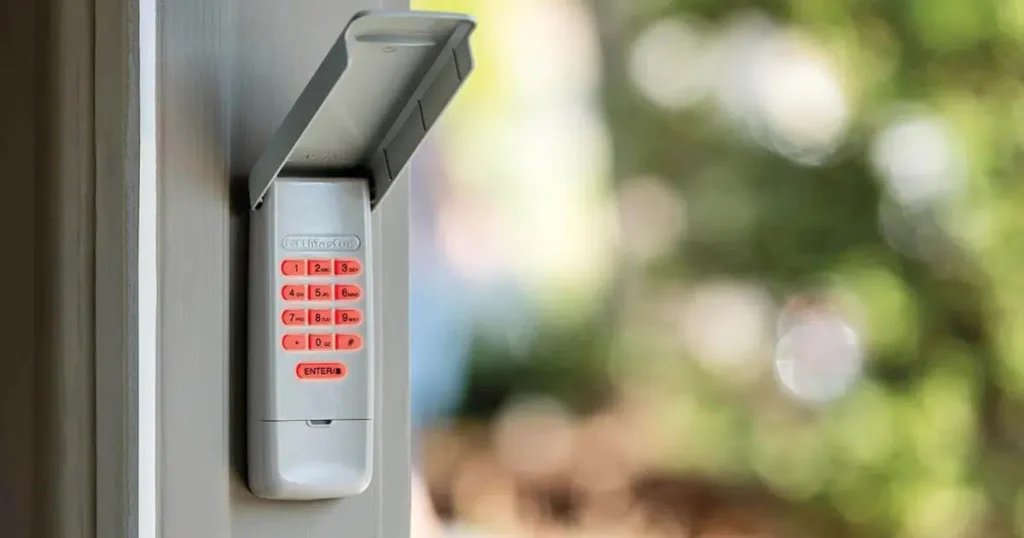
If you live in Richmond, TX, your garage door is one of the largest entry points to your home. And while a modern garage door keypad is incredibly convenient, many homeowners never stop to ask the real question: is that keypad actually keeping intruders out?
The short answer is: it depends. The type of keypad, its age, and how it is maintained all play a role in how well it protects your home. Here is everything you need to know, broken down in plain language.
Not All Modern Garage Door Keypad is Built the Same
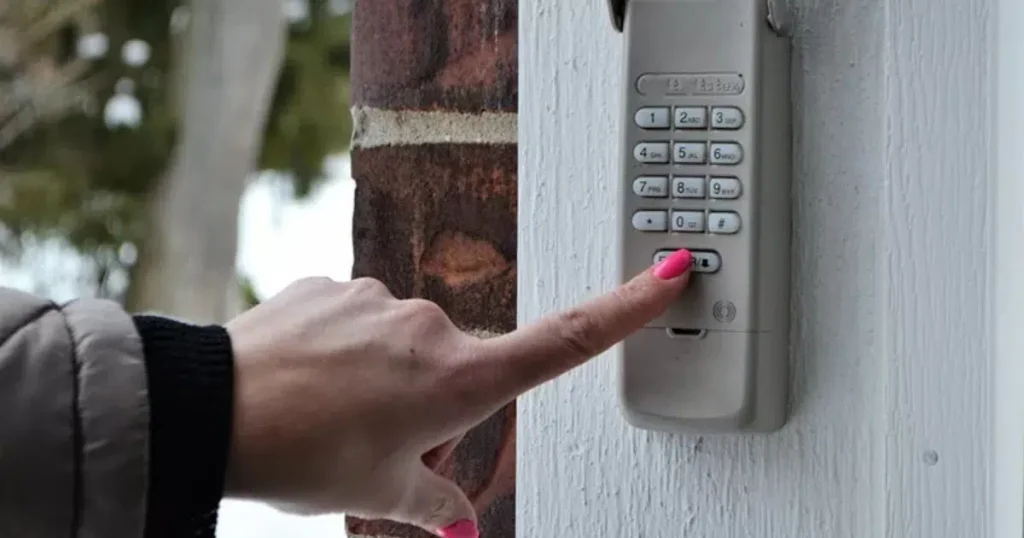
Older keypads, especially those installed before 2010, often rely on a fixed code system. Every time the PIN is entered, the same signal gets sent to the opener. This makes them vulnerable to replay attacks, where a thief captures the signal with a cheap device and uses it later to open the door.
Modern keypads have moved far beyond that. Knowing the difference is the first step to understanding where your home stands.
What to do: Check the age and brand of your keypad. If it came with the house and has never been replaced, it may be running outdated technology.
Curious about just how exposed older systems really are? Read this next: Can Garage Door Keypads Be Hacked?
Rolling Code Technology Changed the Game
Most keypads made by trusted brands like LiftMaster, Chamberlain, and Genie now use rolling code technology (also called hopping code). The access code changes automatically after every single use, so a captured signal is already worthless by the time anyone tries to reuse it.
Look for labels like “Security+” or “Security+ 2.0” on your opener. Those are signs that rolling code technology is already in place.
What to do: If you cannot confirm your system uses rolling codes, contact a garage door contractor in Richmond, TX for a quick evaluation.
Wondering what happens when someone enters the wrong code too many times? Find out in: Do Garage Door Keypads Lock Out After Failed Attempts?
Weak PIN Codes Remain a Top Security Risk
No amount of advanced technology helps if the PIN is “1234” or your home address. Many Richmond neighborhoods were developed by the same builders, which means factory-default codes are sometimes never changed across multiple homes on the same street.
Opportunistic thieves often try the most common codes first, and they work more often than people expect.
Tips to follow:
- Use a PIN that is at least 6 digits long
- Avoid birthdays, addresses, or repeating numbers
- Change the PIN every 6 to 12 months
- Remove access for anyone who no longer needs it, such as former housekeepers or contractors
Not sure if a wireless keypad is the right choice for your home? This is worth a read: Are Wireless Garage Door Keypads Safe to Use?
Physical Wear and Texas Weather Create Hidden Vulnerabilities
Richmond summers are hot, humid, and hard on outdoor equipment. Over time, UV exposure and moisture cause keypad casings to crack, buttons to stick, and internal components to degrade.
Here is a detail many homeowners miss: worn-down buttons are a giveaway. If certain numbers on the keypad look shinier or more faded than others, anyone paying attention can narrow down which digits are in the PIN.
What to inspect:
- Cracks or yellowing on the keypad cover
- Buttons that look more worn than others
- Moisture or fogging inside the display window
Catching these early saves both money and security headaches down the road.
Smart Keypads Add Convenience and New Responsibilities
Smart garage door keypads that connect to a mobile app, such as Chamberlain’s myQ platform, allow homeowners to monitor access in real time, receive alerts, and control the door remotely. For busy households in communities like Long Meadow Farms or Veranda, this kind of visibility is a real advantage.
But smart features also introduce digital risk. A weak Wi-Fi password or an unprotected smart home account can become a backdoor into your garage.
Security habits to adopt:
- Use WPA2 or WPA3 encryption on your home Wi-Fi
- Set a strong, unique password for your garage app account
- Turn on two-factor authentication where available
- Keep firmware and app updates current since patches often fix known security gaps
Code Grabbers Are Real and Widely Available
This is not a scare tactic. It is a fact worth knowing. Signal-capturing devices, sometimes called code grabbers, are sold openly online and are not expensive. When used near a home with a fixed-code keypad, they can record the access signal and replay it later.
Rolling code technology makes these devices useless, which is exactly why upgrading older systems matters. Rapidly growing areas like Pecan Grove and the Cinco Ranch corridor near Richmond have seen property crime increase alongside population growth, making this a local concern, not just a national one.
What to do: If there is any doubt about whether the current system is protected against signal capture, schedule a security check with a licensed garage door technician.
Temporary Access Codes Are a Feature Worth Using
Many newer systems support temporary or one-time access codes that expire after a set time or a certain number of uses. This is ideal for letting in a repair technician, house cleaner, or dog walker without handing over the permanent PIN.
Once that temporary code expires, access is automatically revoked. No awkward conversations, no lingering security risks.
What to do: Check the app or manual for the garage door opener to see if temporary codes are supported. If the current system does not support this feature, it may be a good reason to consider an upgrade.
Burglars Look for Easy Targets, Not Technical Challenges
Most break-ins are crimes of opportunity. Here is what makes a garage door an attractive entry point from a burglar’s perspective:
- A visibly outdated keypad signals that the rest of the system is probably old too
- Poor lighting near the garage makes it easy to work undetected at night
- No security camera coverage near the keypad removes the risk of being recorded
- A keypad installed in a hidden or low-traffic area is easier to tamper with
Quick improvements that make a real difference:
- Install motion-sensor lighting near the garage door
- Position a security camera so it clearly covers the keypad area
- Report suspicious activity near garage areas to the Fort Bend County Sheriff’s Office
These steps cost very little but dramatically reduce the appeal of a home as a target.
Know When to Call a Garage Door Professional
Many Richmond homeowners only think about their keypad when something stops working. Proactive security checks are a smarter approach.
Signs it is time to call a professional:
- The keypad is more than 8 to 10 years old
- A home was recently purchased and the system history is unknown
- The keypad responds slowly or makes unusual sounds
- A recent employee or contractor had PIN access and no longer should
- Suspicious activity has been noticed near the garage
The average cost for a professional keypad inspection or replacement in the Richmond, TX area is considered a low-cost investment compared to what a break-in actually costs in repairs, replacements, and peace of mind.
Modern Garage Door Keypad is Secure, But Only When Maintained
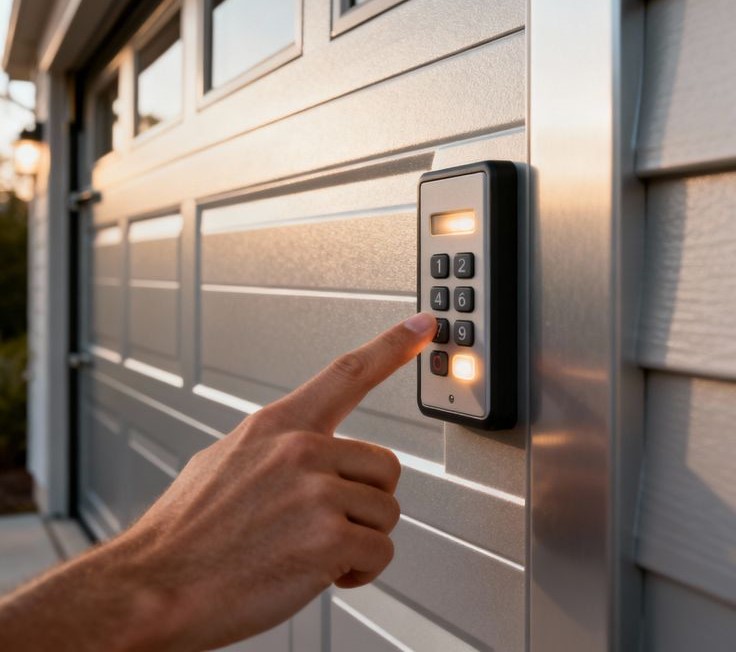
A current rolling-code keypad from a reputable brand, properly installed and maintained, offers solid protection. The technology has improved significantly over the past decade. But technology cannot do the job alone.
Security is a habit. A keypad installed five years ago that has never had its PIN changed, sits under a cracked cover, and connects to an unsecured Wi-Fi network is not doing its full job, no matter how advanced the hardware is. In some cases, a new garage door replacement that includes a modern opener and keypad system is the most practical path forward.
Final security checklist for Richmond homeowners:
- [ ] Keypad uses rolling code or hopping code technology
- [ ] PIN is at least 6 digits with no obvious pattern
- [ ] PIN has been changed within the last 12 months
- [ ] Keypad cover is intact with no cracks, worn buttons, or moisture
- [ ] Motion-sensor lighting is installed near the garage
- [ ] A security camera covers the keypad area
- [ ] Former employees or contractors no longer have PIN access
- [ ] Smart garage app uses a strong password and two-factor authentication
- [ ] Garage door opener is less than 10 years old
Running through this list takes five minutes. What it protects is worth far more.
Get Trusted Garage Door Help Right Here in Richmond, TX
Garage door security is not something to leave to guesswork. First Call Garage Doors proudly serves Richmond and Fort Bend County homeowners with reliable keypad inspections, upgrades, and full system evaluations backed by real local expertise. Contact us today or give us a call to schedule a garage door security inspection.
Frequently Asked Questions
Can someone hack a garage door keypad?
Older fixed-code systems can be compromised using signal capture devices. Rolling code systems eliminate that risk, but weak PINs and outdated hardware still create vulnerabilities. How Stuff Works breaks down practical ways to strengthen overall home security, including entry points like the garage.
What is rolling code technology?
Rolling code technology generates a new access code every time the keypad is used. The previous code expires immediately, so captured signals cannot be reused.
How often should a garage door PIN be changed?
Every 6 to 12 months is recommended. Change it immediately if anyone who previously had access no longer should.
Are smart garage door keypads safer than standard ones?
They offer more control and visibility, but they also introduce digital risks. Strong passwords, two-factor authentication, and regular updates are essential.
How can worn keypad buttons be a security risk?
Buttons that appear more used than others reveal which digits are likely in the PIN. Anyone observing the keypad can use that information to narrow down access codes.
What should be done when moving into a new home in Richmond, TX?
Change the garage door PIN immediately and consider having a technician inspect the full system. The history of who had access is unknown.
Do garage door keypads work in extreme heat?
Quality keypads are designed for outdoor use, but Richmond's heat and humidity accelerate wear. Regular inspections help catch damage before it becomes a security issue.
Is it worth upgrading an older garage door keypad?
Yes. Keypads more than 8 to 10 years old likely lack rolling code protection. An upgrade is a straightforward service call with a meaningful security payoff.
What is the biggest mistake homeowners make with garage keypads?
Using a weak or default PIN and never changing it. Advanced technology cannot compensate for a code that takes seconds to guess.