
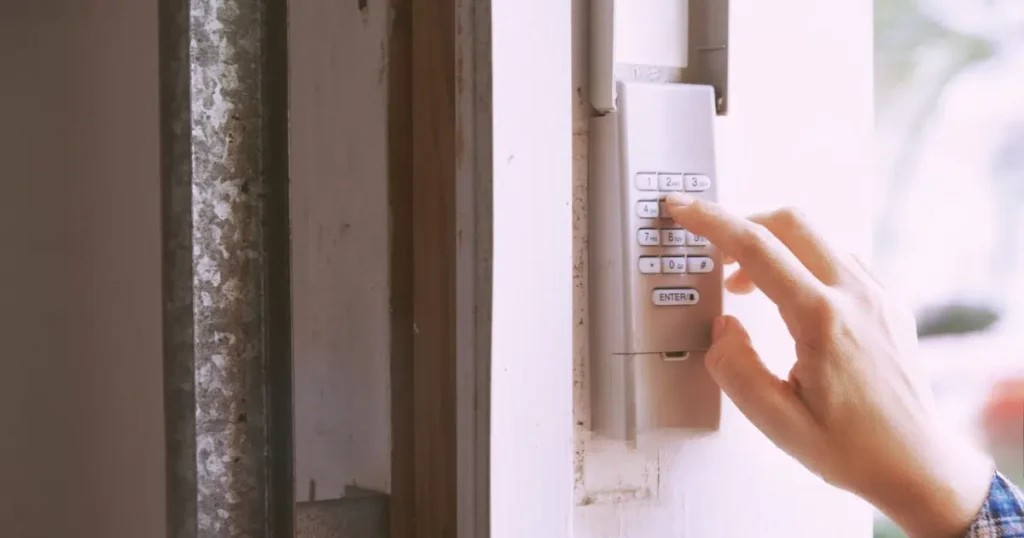
Your garage door is one of the biggest entry points to your home, and most homeowners never think twice about it. You punch in a code, the door opens, and life moves on. But in Richmond, TX, where fast-growing neighborhoods like Pecan Grove, Cinco Ranch, and Long Meadow Farms are attracting more attention, home security deserves a closer look.
So can garage door keypads be hacked? The short answer is yes, but it depends on the type of system installed. This guide breaks down the actual risks, the warning signs to watch for, and the expert-recommended steps to protect your home today.
What Is a Garage Door Keypad and How Does It Work?
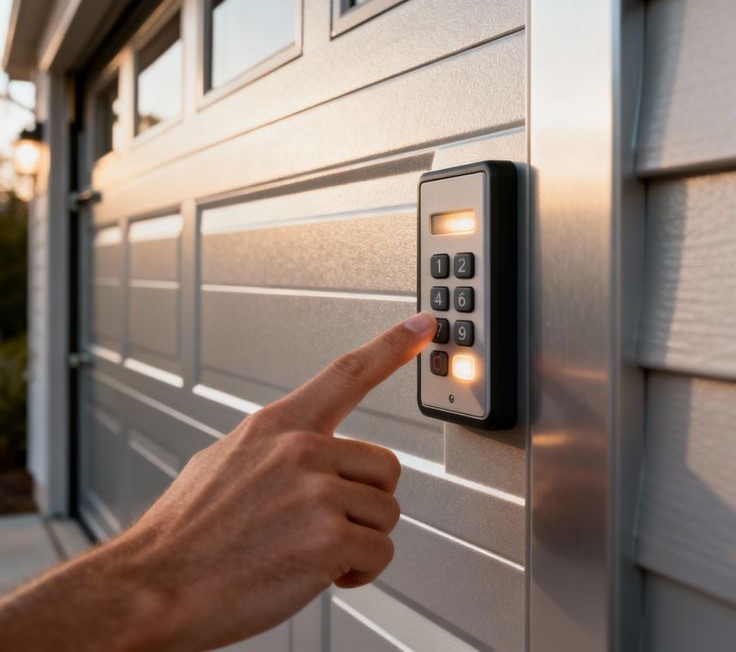
A garage door keypad is the weatherproof number pad mounted outside your garage. Enter a PIN, and it sends a wireless signal to the opener to raise or lower the door.
There are two main types of systems:
- Fixed Code Systems send the same signal every single time a code is entered. These older systems are the most vulnerable because the signal never changes.
- Rolling Code Systems (also called hopping code) generate a brand-new unique code every single use. Even if someone captured the previous signal, it would be useless the next time.
Knowing which system is installed in your home is the first step toward protecting it.
For a deeper look at how today’s technology stacks up, check out “How Secure Are Modern Garage Door Keypads?“
7 Reasons Why Garage Door Keypads Can Be Hacked
1. Code Grabbing on Fixed-Code Systems
This is the oldest and most common vulnerability in garage door security.
Older openers, especially those installed before 2000 and some budget models still sold today, use a fixed code. Anyone with a basic radio frequency (RF) scanner can capture that signal when the garage opens and replay it later to gain access.
What to watch for: An opener that is 15 to 20 years old with no mention of rolling code or Security+ technology on the label.
What to do: Have a licensed technician inspect the system. Upgrading to a rolling code opener is the most reliable solution.
Want to know if your keypad has built-in protection against repeated guessing? Read “Do Garage Door Keypads Lock Out After Failed Attempts?“
2. Brute Force PIN Guessing
Some keypads have no lockout feature after multiple failed attempts. That means someone could stand at the keypad and try combinations until they find the right one.
Most people use predictable PINs, such as birthdays, addresses, or simple patterns like 1234. In tight-knit Richmond neighborhoods where homes are close together, this risk is more real than most people realize.
What to watch for: Smudges or wear marks around certain numbers on the keypad. Heavy use on specific keys can reveal which digits are part of the PIN.
What to do: Change the PIN regularly, avoid obvious combinations, and upgrade to a keypad that locks out after a set number of failed attempts.
Still on the fence about going wireless? Find out everything needed to make a smart choice in “Are Wireless Garage Door Keypads Safe to Use?“
3. Replay Attacks on Wireless Systems
Even some newer systems can fall victim to what security researchers call a replay attack or the “RollJam” method.
A device is used to jam the garage door signal when the door is being closed. Since the opener never received the signal, the rolling code does not advance. The captured code remains valid and can be used later.
What to watch for: A garage door that fails to close on the first attempt or responds with unusual delays.
What to do: Look for openers from trusted brands like LiftMaster, Chamberlain, or Genie that have addressed this vulnerability in newer models with updated encryption.
4. Default PINs That Were Never Changed
This is one of the most overlooked security gaps in residential garage door systems.
When a new keypad is installed, it often ships with a factory default PIN. Many homeowners, especially those moving into new construction in Richmond, TX, never change it. Builders and installers sometimes set a generic code that gets passed along without anyone thinking twice.
What to watch for: If access to the home was taken over without ever personally setting up a new PIN, the factory default may still be active.
What to do: Reset the keypad PIN right away. Check the opener manual or contact a local garage door professional to handle the reset properly.
5. Smart Garage Door App Vulnerabilities
Smart garage systems are a popular upgrade, especially in newer Richmond homes. But convenience comes with new digital risks.
A weak Wi-Fi password, a simple app login, or an outdated app version can open the door to unauthorized digital access. Home networks that are not properly secured make this risk even greater.
What to watch for: Unexplained entries in the app’s open and close history. Most smart apps log all activity, and anything unfamiliar should raise a red flag.
What to do: Use a strong, unique password for the garage app account. Enable two-factor authentication if available. Keep the app and firmware updated at all times.
6. Physical Keypad Tampering
Not every hack involves technology. Some involve nothing more than a screwdriver and a few minutes alone.
Older keypads are sometimes mounted loosely and can be pried from the wall, exposing the wiring underneath. A determined intruder who knows what they are looking at can bypass the keypad entirely and trigger the opener manually.
What to watch for: A keypad that wobbles, shows signs of damage, or appears to have been pried at the edges.
What to do: Make sure the keypad is properly secured to the wall. A garage door technician can check the mounting and ensure internal wiring is adequately protected.
7. Old Shared Codes That Were Never Deleted
Given access to a contractor, housekeeper, dog walker, or neighbor months ago? If that code was never removed, it is still a working entry point.
This is extremely common in Richmond communities where residents regularly hire service workers or have extended family visiting. Old access codes pile up over time without anyone noticing.
What to watch for: Codes that were shared more than six months ago and have not been reviewed or deleted.
What to do: Audit access codes regularly. Most modern keypads and openers allow the creation and deletion of temporary PINs. Use this feature every time access is given to someone outside the household.
Is Rolling Code Technology Enough?
Rolling code technology has been the industry standard since the mid-1990s and provides strong protection against basic code grabbing.
However, no technology is completely foolproof. The RollJam attack demonstrated that even rolling codes have theoretical vulnerabilities. That said, pulling off this type of attack requires specialized equipment, physical proximity to the property, and deliberate effort. It is not something a casual burglar is likely to attempt.
For the average homeowner in Richmond, TX, a modern rolling code system combined with a strong PIN and updated firmware offers solid protection. The bigger threats are usually simpler: old systems, weak PINs, and unmanaged shared access.
5 Expert Tips to Secure Your Garage Door Keypad

Tip 1: Upgrade Outdated Systems
Any opener more than 15 years old should be evaluated by a professional. Fixed-code systems are a liability. The average cost of a replacement opener falls in an affordable mid-range and is a worthwhile investment in home security.
Tip 2: Change the PIN Every 6 to 12 Months
Set a reminder. Use a random combination of six digits that has no connection to a birthday, address, or phone number. Avoid repeated digits or sequential patterns.
Tip 3: Choose a Keypad With a Lockout Feature
A keypad that locks after several failed attempts stops brute-force guessing before it can succeed. This is a feature worth asking about when selecting a new keypad.
Tip 4: Monitor the Smart App Activity Log
For connected garage systems, checking the activity history once a month is a simple habit that can catch unauthorized access early. Any entry that was not personally made should be investigated right away.
Tip 5: Schedule a Professional Security Inspection
A licensed garage door technician in the Richmond, TX area can evaluate the full system, including the opener, keypad, wiring, and sensors, and identify any vulnerabilities that may not be obvious to the untrained eye. This is especially important when purchasing a home or moving into a new property.
Warning Signs Your Garage Keypad May Have Been Compromised
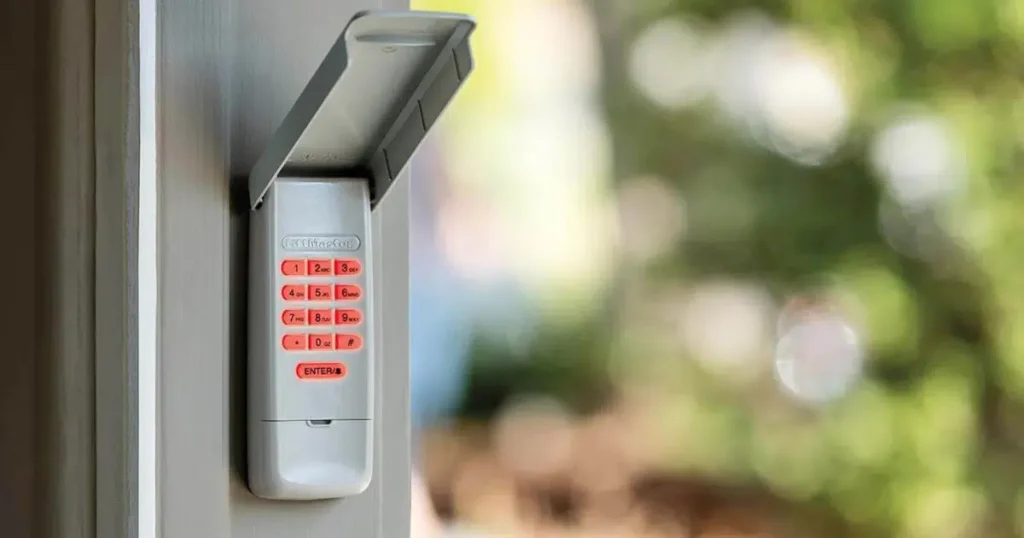
Watch for these red flags:
- The garage opens or closes at unexpected hours with no explanation
- The smart app shows activity that was not personally initiated
- The keypad feels loose, looks damaged, or shows unusual wear marks on specific keys
- Strangers have been seen near the driveway or testing the keypad
- Items inside the garage appear moved or disturbed
Any of these signs deserve immediate attention. Contact a trusted garage door company serving the Richmond, TX area for a full system inspection.
Protect Your Home Before There Is a Problem
Garage door keypad hacking is a real risk, but it is also a manageable one. The most vulnerable systems are older, fixed-code openers with weak or unchanged PINs. Modern rolling code systems from reputable brands, paired with smart security habits, offer strong protection against the most common threats.
For Richmond, TX homeowners, the best move is a proactive one. A professional inspection, a PIN update, and a quick review of who has access to the code can go a long way toward keeping the home secure. In some cases, a new garage door replacement may be the most practical and secure long-term solution. Do not wait for something to go wrong. Reach out to a licensed garage door professional in the Richmond, TX area and schedule a security check today.
Ready to Work With a Trusted Local Expert?
When it comes to garage door security in Richmond, TX, First Call Garage Doors is the trusted choice for Fort Bend County homeowners. From keypad inspections to full system evaluations, our team delivers honest assessments and real solutions that protect your home. Contact us today or give us a call to schedule your garage door security inspection.
Frequently Asked Questions
How do I know if my opener uses rolling code technology?
Check the label on the motor unit. Look for terms like "Security+," "rolling code," "hopping code," or "Intellicode." As covered by How Stuff Works, modern smart home systems including garage openers have evolved significantly in their security features. A garage door technician can also confirm this during an inspection.
What is the safest garage door keypad PIN to use?
A random six-digit combination with no personal connection is safest. Avoid birthdays, addresses, repeated digits, and sequential numbers like 123456.
How often should a garage door PIN be changed?
Every six to twelve months at minimum, and immediately after giving access to anyone who no longer needs it.
Can a smart garage door system be hacked remotely?
Yes, if the account password is weak or two-factor authentication is not enabled. Keeping software updated and using strong login credentials significantly reduces this risk.
What should be done if the garage opened on its own?
Change the PIN immediately, check the smart app activity log, and contact a licensed garage door technician to inspect the system for tampering or malfunction.
Are new garage doors in Richmond TX homes pre-programmed with default codes?
Many are. Builders and installers sometimes set a generic default PIN. Always reset the code immediately after moving into a new home.
Is it worth upgrading to a smart garage door opener for security?
Yes, as long as proper digital security habits are followed. Smart systems offer real-time alerts and activity logs that older systems cannot provide.
Can a universal remote open any garage door?
Modern rolling code systems cannot be opened by a basic universal remote. Fixed-code systems from older openers are more vulnerable to this method.
Who should be contacted for a garage door security inspection in Richmond, TX?
Reach out to a licensed, local garage door company serving the Fort Bend County area. A trained technician can assess the full system and recommend upgrades based on the current setup.