

A garage door slams shut when the door’s counterbalance system fails to control the weight of the door during closing, causing it to drop suddenly instead of lowering smoothly. In Richmond, TX, this issue is commonly caused by broken springs, snapped cables, or incorrect opener settings, which require immediate garage door repair.
When a garage door slams shut repeatedly, it places excessive strain on the entire garage door system, increasing the risk of serious injury and property damage. Understanding the causes, warning signs, and repair solutions helps homeowners act quickly, prevent further damage, and restore safe, smooth operation.
Why Does a Garage Door Slam Shut in Richmond, TX?
A garage door slams shut in Richmond, TX, when the door’s counterbalance system can no longer control the weight of the door due to spring failure, cable damage, or incorrect opener calibration, allowing gravity to pull it down rapidly instead of lowering it in a controlled motion.
Common reasons this happens include:
- The garage door’s spring system no longer offsets the door’s weight.
- A broken torsion spring or a stretched extension spring removes the lift support.
- A garage door cable snapped, causing one side of the door to drop unevenly.
- The opener’s force settings are misadjusted, allowing too much force during closing.
- Internal wear within parts of your garage door increases friction and instability.
To understand how these failures lead to a sudden door drop, read our blog on What Causes a Garage Door to Slam Shut in Richmond, TX?, which explains the most common local causes and how they are properly diagnosed.
What It Means When a Garage Door Slams Shut
Counterbalance Control Has Failed, and Gravity Is Taking Over
Counterbalance failure occurs when the system no longer supports the door’s weight, causing the garage door to slam shut during closing.
Warning patterns that signal counterbalance loss include:
- Heavy lift test: manual door opening feels unusually difficult and unstable.
- Rapid descent: the door accelerates during the final third of travel.
- Vibration surge: panels shake as the door approaches the floor.
- Uneven glide: one side tracks slightly ahead of the other.
- Impact noise: a sharp slam occurs at floor contact.
Why It Is Urgent: Loss of counterbalance shifts the full weight of your garage door onto hardware and the opener, increasing strain on springs, rollers, and tracks while raising the risk of serious injury and structural damage.
Clopay explains that garage door springs offset the door’s weight and control its descent, which is why counterbalance failure can cause unsafe, unstable closing.
Spring System Energy Has Been Released, and Lift Support Is Gone
A spring system failure occurs when torsion or extension springs lose stored tension, removing lift support and allowing the door to drop under full weight.
Mechanical clues often appear as:
- Visible gap: separation forms within the spring coil near the center bracket.
- Loud bang: a sharp snapping sound echoes inside the garage.
- Door drop: panels descend faster than normal.
- Opener strain: the motor works harder during door opening.
- Imbalance shift: the door rests unevenly along horizontal tracks.
Why It Is Urgent: Broken springs eliminate controlled lift support instantly, allowing uncontrolled descent that can bend tracks, damage rollers, stress brackets, and destabilize the entire garage door system.
When lift support fails, and the door drops under full weight, addressing broken springs promptly restores balance and prevents further structural strain.
Lift Cables Have Lost Tension, and Side Support Is Compromised
Cable failure occurs when lift cables lose tension, causing uneven support and increasing the risk of the garage door slamming during closing.
Operational indicators frequently include:
- Side drop: one panel edge sits lower than the opposite side.
- Frayed strands: cable wires appear worn near the drum assembly.
- Drum shift: uneven cable wrapping develops around the shaft.
- Track rub: scraping noise forms along one track wall.
- Twisted descent: the door tilts while moving downward.
Why It Is Urgent: Uneven cable tension transfers load to one side of the door, which can rack the frame, distort alignment, damage panels, and cause a sudden release that can lead to property damage.
Correcting cable tension restores balanced lift support and stabilizes movement throughout the entire garage door system, preventing further structural stress.
Opener Force Settings Are Allowing Excessive Downward Speed
Opener miscalibration occurs when force settings or travel limits allow excessive downward speed, reducing controlled descent during closing.
Performance signals may show up as:
- Aggressive closing: the door hits the floor harder than normal.
- Motor hum: prolonged motor sound develops under load.
- Travel inconsistency: stopping points vary between cycles.
- Loose chains: drive components rattle during movement.
- Limit error: the door fails to slow before reaching the floor.
Why It Is Urgent: Excessive force settings override built-in safety limits, accelerating hardware wear, increasing strain on internal gears, and raising the risk of injury or premature opener failure.
Chamberlain notes that proper adjustment of opener settings and force limits ensures resistance detection and controlled descent within safe operating standards.
Track Alignment Has Shifted, and Friction Is Increasing
Track misalignment occurs when rollers, hinges, or brackets shift out of alignment, increasing friction and creating an unstable descent that can end in a slam.
Physical warning signs often include:
- Grinding motion: rollers scrape along metal track surfaces.
- Rust buildup: corrosion increases drag within the rails.
- Bracket looseness: mounting hardware shifts under load.
- Panel vibration: sections shake during travel.
- Sticky release: the door catches briefly before dropping faster.
Why It Is Urgent: Increased friction followed by sudden release creates unpredictable movement that can bend horizontal tracks, damage rollers, and shorten the lifespan of modern garage doors.
Realigning tracks and securing hardware preserves smooth operation while preventing progressive damage to connected components.

How a Broken Garage Door Spring Changes Door Movement
A broken garage door spring changes door movement by removing the lift support that offsets the weight of the door, causing imbalance, faster descent, and increased strain on the entire garage door system.
Movement changes you may notice include:
- Faster closing speed as gravity pulls the door down without spring tension.
- Heavier manual lifting during door opening due to the loss of counterbalance.
- Uneven door movement along the horizontal tracks.
- The opener strain as the motor compensates for the door’s weight.
- A loud bang at the moment the spring breaks.
Prompt spring replacement restores proper balance, protects the garage door opener from overload, and prevents further damage to rollers, tracks, and other critical components.
Mechanical Failures That Cause Sudden Door Drop
Mechanical failures within the garage door system can disrupt lift support and balance, allowing the door to drop suddenly rather than lowering in a controlled, stable motion.
Common mechanical causes of a sudden door drop include:
- Broken torsion springs that release stored tension and remove counterbalance control.
- Frayed or loose lift cables that destabilize one side of the door.
- Worn rollers that increase friction and create jerky descent.
- Bent horizontal tracks that interfere with proper alignment.
- Loose brackets or hinges weaken structural stability.
A deeper breakdown of how each failed component affects balance and movement is covered in our guide on Which Parts Fail When a Garage Door Slams Shut?, where the most failure-prone parts and their warning signs are explained clearly.
Why a Garage Door Slams When Closing Instead of Lowering Smoothly
A garage door slams when closing instead of lowering smoothly when balance, lift support, or opener calibration fails to control descent speed and distribute the door’s weight evenly.
Common causes behind rough and unstable closing include:
- Broken garage door springs that lack proper counterbalance.
- Misaligned tracks that increase friction and disrupt alignment.
- Worn rollers that prevent smooth operation along the rails.
- Incorrect opener force settings that allow excessive downward speed.
- Loose hardware that shifts under the weight of your garage door.
Correcting balance issues, restoring spring tension, and recalibrating the garage door opener ensure controlled closing, protect internal components, and prevent repeated slamming that can lead to expensive repairs.
Safety Risks When a Garage Door Closes Too Fast
A garage door closes too fast when the counterbalance or opener control fails, creating a dangerous impact force that affects safety, property, and the long-term stability of the garage door system.
Key safety risks associated with excessive closing speed include:
- Increased risk of serious injury to children, pets, or anyone beneath the door.
- Vehicle or property damage caused by a sudden impact.
- Structural stress on panels, rollers, and hinges from repeated slamming.
- Premature wear on the garage door opener due to excessive load.
Addressing a fast-closing issue immediately restores controlled descent, reduces injury risk, and protects the garage door system from long-term damage and costly repairs.
What Should You Do If a Garage Door Slams Shut?
A garage door slams shut when the balance or lift support fails, and immediate action is necessary to reduce safety risks and prevent further damage to the garage door system.
Recommended steps to take right away include:
- Stop operating the door to prevent additional strain on springs and cables.
- Disconnect the opener using the emergency release cord.
- Inspect visible components for a broken garage door spring or loose cable.
- Avoid standing beneath the door during inspection.
- Schedule professional garage door repair for proper diagnosis.
Guidance for preventing further damage and restoring controlled closing is outlined in our blog on What Should You Do If a Garage Door Slams Shut?, where the proper corrective actions are explained in detail.
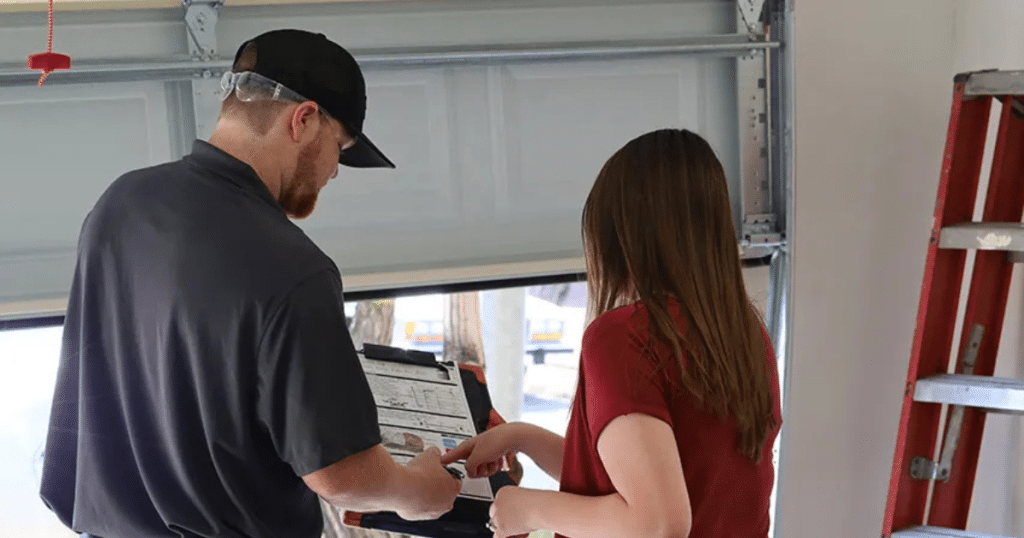
Professional Diagnosis in Richmond, TX
A professional diagnosis in Richmond, TX, determines why a garage door slams shut by evaluating the balance, lift components, and the garage door opener’s performance within the full garage door system.
A thorough inspection typically involves:
- Spring balance testing to verify proper counterweight support.
- Cable and drum assessment to confirm even tension and alignment.
- Opener force and travel limit calibration checks.
- Track, roller, and hardware inspection for wear or misalignment.
Accurate testing identifies the root cause of sudden door drop, restores controlled closing, and protects the garage door system from ongoing damage.
Preventing Future Garage Door Slamming Issues
Preventing future garage door slamming issues requires maintaining proper balance, monitoring wear in the spring system, and ensuring the garage door opener is calibrated for controlled closing.
Effective prevention steps include:
- Scheduling regular maintenance to inspect garage door springs and cables.
- Testing the manual balance to confirm the door’s counterbalance system is working properly.
- Adjusting opener force settings to avoid excessive downward speed.
- Lubricating rollers and hinges to reduce friction along the tracks.
Routine garage door maintenance helps preserve spring tension, track alignment, and opener calibration to prevent recurring slamming and extend system lifespan.
Stop a Garage Door Slams Shut Issue Before It Causes Bigger Damage
A garage door slams shut when the door’s counterbalance system fails, creating unstable movement that can quickly lead to serious injury, property damage, and costly garage door repair. Acting early protects the weight-bearing components of your garage door system and prevents further strain on springs, cables, tracks, and the garage door opener.
First Call Garage Doors provides expert diagnosis and repair services for homeowners in Richmond, TX, dealing with sudden door drops and unsafe closing. We restore proper balance, recalibrate opener settings, and ensure controlled operation, so contact us or give us a call today to schedule professional service you can trust.
Frequently Asked Questions
What are the most common reasons a garage door suddenly slams shut?
The most common reasons include spring failure, cable damage, or misadjusted opener force settings. Worn rollers or track misalignment can also disrupt smooth operation and cause sudden descent. Early diagnosis helps prevent additional strain on the garage door system.
How can a broken garage door spring cause the door to slam shut?
A broken garage door spring removes the tension that offsets the door’s weight. Without that lift support, the door drops under full load and may slam during closing. Prompt spring replacement restores balance and controlled movement.
What should I do if my garage door slams shut every time I close it?
Stop using the door immediately. Repeated slamming increases wear on springs, cables, and the garage door opener. Scheduling professional garage door repair helps prevent further structural damage.
Is it safe to keep using my garage door if it’s slamming shut?
No. Continued operation increases the risk of serious injury and property damage. Ongoing slamming also accelerates wear on critical components. Immediate service reduces safety hazards and prevents larger repairs.
How do I check if my garage door springs need to be replaced?
Look for visible gaps in torsion springs or stretched extension springs along the track. A garage door spring broken condition often produces a loud bang and makes the door feel heavy when lifted manually. Professional balance testing confirms whether replacement is necessary.
Can I fix a garage door that slams shut by myself, or do I need a professional?
No, DIY spring or cable repairs are not recommended. Garage door springs are under high tension and can cause serious injury if handled improperly. Professional technicians use the correct tools and safety procedures to restore proper balance.
What are the signs that my garage door opener is causing the door to slam shut?
Signs include aggressive closing speed, inconsistent stopping points, and failure to slow before reaching the floor. Incorrect force settings or travel limits may override resistance detection. Adjusting the opener properly restores controlled descent.
How much does it typically cost to repair a garage door that slams shut?
Repair costs depend on whether the issue involves spring replacement, cable repair, or opener calibration. Minor adjustments cost less than a full spring replacement. A detailed inspection provides accurate pricing based on the system's condition.
Where can I buy replacement parts if my garage door keeps slamming shut?
Replacement parts are available through garage door suppliers and hardware retailers. Correct sizing and compatibility are essential for safe operation. Professional installation ensures the parts function properly within the garage door system.