

Looking for the best “residential garage door in my area”? We offer a wide selection of styles and competitive pricing.
It’s a hot Texas afternoon, and your garage door opener isn’t working. The door won’t budge, leaving you stuck in the heat. Many Richmond homeowners face this situation when their garage doors fail. Whether dealing with a broken door or planning an upgrade, finding a residential garage door in my area in Richmond, TX, is important for keeping your home functional and valuable.
First Call Garage Doors helps Richmond homeowners with reliable garage door solutions that fit their homes and needs. This guide covers what you need to know about choosing, installing, and maintaining a new garage door, from materials and designs to upkeep and energy efficiency, helping you make practical decisions for your home.
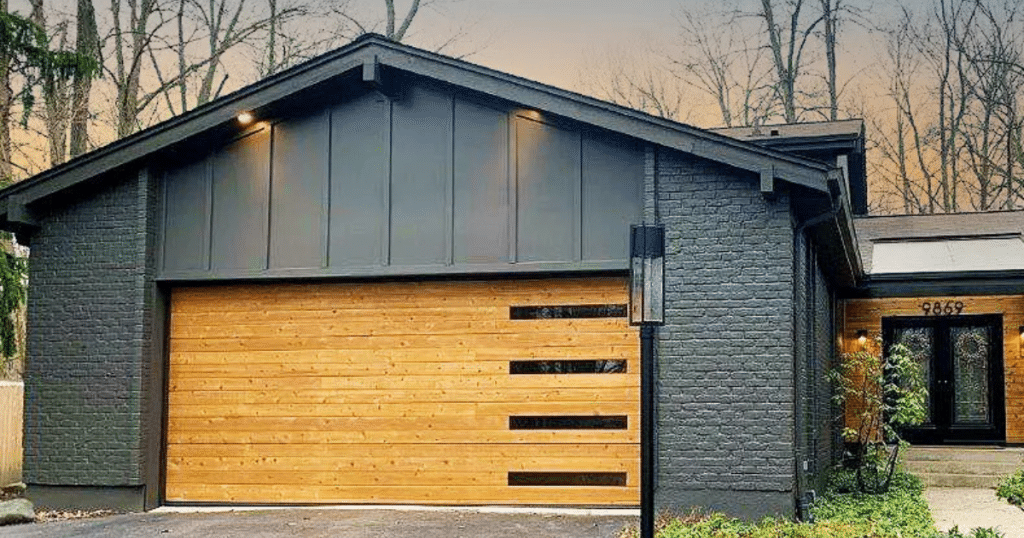
Understanding Your Garage Door Options
Material Selection: Choosing the Right Door
When looking for a residential garage door in my area in Richmond, TX, picking the right material is key to a good investment. Each material has specific benefits that work well in Texas weather. Understanding these options helps homeowners make choices that match their needs and budget.
Steel doors are popular with Richmond homeowners because they last long and need little maintenance. These doors resist rust and fading, which matters in Texas humidity. They come in different thicknesses, with 24-gauge to 25-gauge steel offering good strength for the price. Steel doors handle daily use well and keep their look over time. Single-layer steel doors provide basic security and value, while double-layer doors add insulation and strength. Triple-layer steel doors offer the best insulation and quietest operation, though they cost more initially. Steel doors can also include windows and decorative panels that add style without sacrificing durability.
Steel door maintenance focuses on preventing rust and maintaining moving parts. Homeowners should wash their steel doors twice yearly with mild soap and water to remove dirt and chemicals that could damage the finish. Small scratches need prompt repair to prevent rust from developing. The door’s finish might need repainting every 5-10 years, depending on sun exposure and weather conditions. Steel doors can dent from hard impacts, but many dents can be repaired by professional technicians.
Aluminum doors work well for modern homes and don’t rust. They’re lighter than steel, which means less wear on door mechanisms. Today’s aluminum doors are stronger than older versions, with better frames and panels that resist dents. They’re good for wide garage doors because they’re easy to lift and operate. Modern aluminum doors often include energy-efficient options like thermal breaks that prevent heat transfer. Glass panels in aluminum doors can range from clear to frosted, offering different levels of privacy and light transmission. Some manufacturers offer powder-coated finishes that provide extra protection against weathering.
The frame design of aluminum doors makes them particularly suitable for contemporary architecture. These doors can include full-view panels that create a modern industrial look while letting in natural light. Aluminum doors need minimal maintenance beyond regular cleaning and lubricating moving parts. Their lighter weight makes them a good choice for homes with wider garage openings, as they put less stress on opening mechanisms and support structures.
Wood doors provide natural insulation and classic appeal. They need regular care but add value to luxury homes. Cedar and mahogany work well in Richmond’s climate because they resist weather damage and insects. Wood doors combine traditional looks with modern construction methods for better durability. Manufacturers offer both solid wood and wood-composite options, with solid wood providing the most authentic appearance but requiring more maintenance. Wood doors can be custom-designed to match specific architectural styles, from craftsman to colonial.
The maintenance needs of wood doors vary by climate and exposure. In Richmond’s humidity, wood doors need inspection every three months for signs of water damage or warping. Homeowners should refinish their wood doors every 2-3 years to maintain protection against moisture and UV damage. Professional refinishing can restore a wood door’s appearance and extend its life. Some manufacturers now offer factory-finished wood doors with special sealants that extend the time between maintenance cycles.
Composite doors combine durability with good looks. They handle weather well and need little maintenance, making them popular with Texas homeowners. These doors can look like wood while standing up to heat and rain. They resist moisture and sun damage, which helps them last longer in Richmond’s climate. Composite materials have improved significantly, now offering better insulation values and impact resistance. These doors often include steel reinforcement in key areas while maintaining the benefits of composite construction.
The manufacturing process for composite doors allows for various textures and designs that convincingly mimic natural materials. Unlike wood, composite doors resist splitting, cracking, and rotting, making them ideal for humid climates. They don’t need painting or staining, though some models can be painted if homeowners want to change their color. The core materials in composite doors often include recycled content, appealing to environmentally conscious homeowners.
Handling Richmond’s Weather
When choosing a residential garage door in my area in Richmond, TX, weather resistance matters. First Call Garage Doors knows which doors work best in Texas conditions.
Heat resistance is crucial for Richmond summers. Good doors use materials that won’t warp or fade in high temperatures. Proper insulation helps keep garages cooler and can lower energy bills. The right seals keep out dust and rain, which matter in Texas weather.
Storm protection is important in this coastal region. Some doors are built to handle strong winds and debris. Strong tracks and hardware help doors stay secure during bad weather. Installing these features correctly helps them work properly over time.
Humidity protection helps doors last longer. Good ventilation and moisture-resistant materials prevent warping and rust. Proper drainage and seals protect both the door and items in your garage. Regular checks help catch moisture problems early.
Security and Smart Features
Modern garage doors include security features that protect your home. Physical security, like strong locks, works with electronic systems to prevent break-ins. Good locks, strong panels, and tamper-resistant parts all help keep garages secure.
Smart technology makes garage doors more convenient and secure. Modern systems use changing codes to prevent copying. Safety sensors stop doors when they detect objects underneath. Auto-reverse features prevent accidents by stopping and reversing the door if it hits something.
Remote monitoring lets homeowners check their garage door from anywhere using their phones. This connects with home security systems for better protection. Video cameras can show what’s happening in the garage in real time.
Multi-point locks secure doors in several places along the frame. These often work with home security networks for better monitoring. Backup power systems keep doors working during power outages.
Energy Efficiency
New garage doors help save energy through better materials and construction. Insulated doors help control temperature and can reduce energy costs. Good seals prevent heat from moving between inside and outside.
Insulation quality is measured in R-value – higher numbers mean better insulation. This matters most for garages attached to homes. Polyurethane foam insulation works well and makes doors stronger.
Weather seals around the door keep air from leaking. The right seals block heat, cold, wind, and rain. Regular checks help maintain energy efficiency.
Door windows can let in light while keeping heat out. Special glass coatings and double-pane construction help control temperature. This balances natural light with energy savings.
Professional Installation and Maintenance
Installation Process
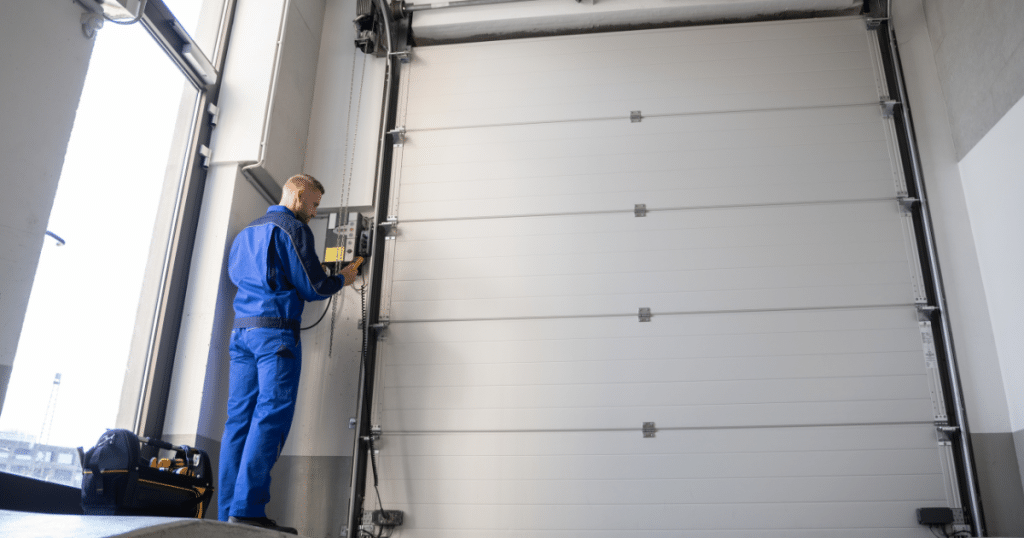
Professional installation directly affects how well a garage door works and how long it lasts. First Call Garage Doors’ technicians follow a detailed process that starts with removing the old door system and inspecting the garage structure. The inspection covers wall strength, ceiling support points, and the condition of the door frame. Technicians measure opening dimensions multiple times to ensure a precise fit and identify any needed garage door repairs before installation begins.
The preparation phase includes assembling the door sections on site, which allows technicians to verify all components and ensure proper panel alignment. They install weatherstripping between panels and check that all seals are properly placed. For doors with windows, technicians verify proper glass installation and sealing to prevent future leaks or drafts.
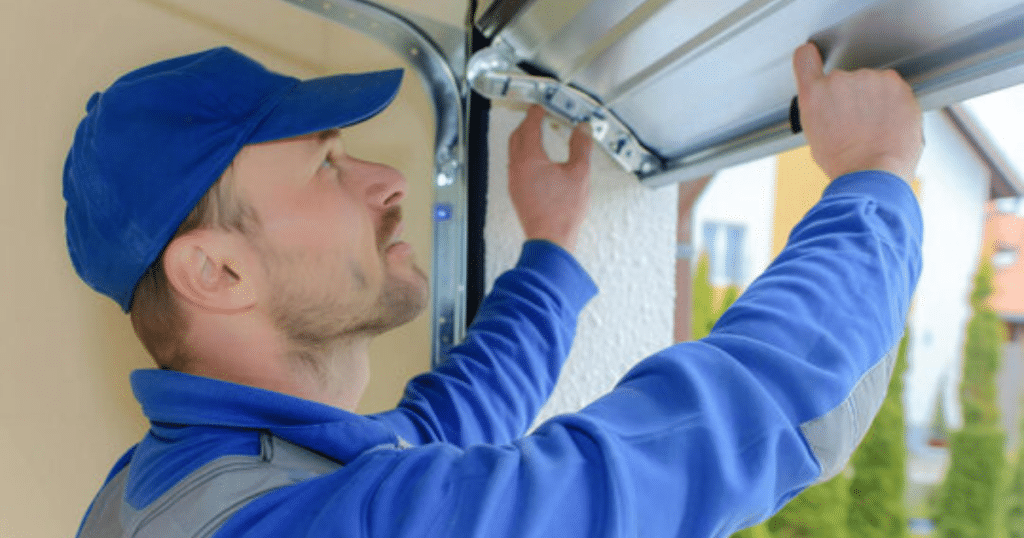
Track installation requires precise measurements and careful alignment. Technicians use levels and specialized tools to position tracks at exact angles. They install proper bracing at specific intervals to prevent track movement over time. The right track spacing and alignment prevent unnecessary wear on rollers and ensure smooth door operation. Technicians also install reinforcement struts on wider doors to prevent panel bowing.
Spring system installation demands careful attention to safety and balance. Torsion springs must match the door’s weight exactly, and extension springs require proper safety cables. Technicians calculate the correct spring tension based on door weight and size, then make precise adjustments to ensure the door stays balanced throughout its travel range. They install safety cables through extension springs to contain them if they break, reducing the risk of injury or property damage.
Opener installation involves more than just mounting the motor unit. Technicians determine the best motor size based on door weight and usage patterns. They install the opener at the optimal height and angle for efficient operation. The process includes mounting the motor unit, installing the rail assembly, connecting the door arm, and setting up safety sensors. Technicians program force settings based on door weight and environmental factors to prevent damage to the door or opener.
Final adjustments require thorough testing of all components. Technicians check door balance at multiple positions and verify that the door stays in place when stopped mid-travel. They test safety features, including auto-reverse mechanisms and photo-eye sensors. The process includes lubricating all moving parts, checking hardware tightness, and verifying the proper operation of any smart features or keypad systems.
Regular Maintenance
A comprehensive maintenance program helps prevent unexpected failures and extends door life. Monthly visual inspections should check all major components, including springs, cables, rollers, and hinges for signs of wear or damage. Homeowners should listen for unusual noises during operation and watch for changes in how the door moves, as these often signal developing problems.
Spring maintenance requires special attention because spring failure can cause serious problems. Torsion springs show wear through reduced tension and door balance issues. Extension springs might show stretching or gaps between coils. Both types need regular lubrication with proper garage door lubricants. Homeowners should never attempt spring adjustments themselves due to the high tension these components hold.
Cable inspection looks for fraying, rust, or damage where cables wrap around drums. Proper cable tension keeps doors balanced and prevents uneven movement. Technicians check cable alignment on drums and verify that cables track properly during door operation. They also inspect pulleys and cable anchors for wear or damage that could lead to failure.
Roller maintenance affects door operation and noise levels. Nylon rollers need replacement when they show cracks or flat spots. Steel rollers require regular lubrication and eventually need replacement when they develop play in their bearings. Bent roller stems indicate track alignment problems that need professional attention. Regular cleaning and lubrication help rollers move smoothly and reduce wear on both rollers and tracks.
Track maintenance includes checking alignment, cleaning debris, and inspecting mounting brackets. Technicians look for loose bolts, bent sections, and proper spacing between tracks. They clean accumulated dirt and old lubricant that can affect door operation. Proper track maintenance prevents binding and reduces strain on the opener and other components.
Weather seal inspection checks bottom seals, side seals, and panel joint seals. These components prevent water infiltration and help maintain garage temperature. Cracked or damaged seals need prompt replacement to prevent energy loss and water damage. Technicians also check retainer strips that hold weather seals in place, as these can loosen over time.
Professional maintenance should occur at least annually, with more frequent service for doors that see heavy use. Service includes detailed inspection of all components, necessary adjustments, and preventive part replacement. Technicians lubricate all moving parts with appropriate lubricants for each component. They also check and adjust opener settings, including force limits and travel stops.
Making the Right Choice
When searching for a residential garage door in my area in Richmond, TX, think about long-term value. Quality materials and good installation help doors last longer and work better.
Cost and Value
Better quality usually saves money over time. Good doors last longer, work better, and use less energy. Check warranties and maintenance needs when comparing prices.
The material choice affects both initial cost and long-term value. Better materials often need less maintenance and last longer. Energy-efficient doors can save money on utility bills.
Professional installation helps prevent future problems. Good installation makes doors work better and last longer. Choose installers with experience and good references.
Style and Home Value
The right garage door improves how your home looks. Match your home’s style, whether traditional or modern. Good design choices increase property value.
Colors should work with your home’s existing colors. Custom colors help match exactly. Ask professionals for help choosing colors that look good and last.
Windows can add style and light. Choose window styles that match your home. Consider privacy when selecting glass types.
Hardware can add finishing touches while working well. Match hardware finish to other exterior hardware. Get advice on hardware that looks good and lasts.
FAQs
How long does it take to install a residential garage door?
A typical residential garage door installation usually takes between 4-8 hours. This timeframe can vary depending on several factors, but it’s a good estimate for a standard single or double-door replacement.
How long does it take to install a residential garage door?
A typical residential garage door installation usually takes between 4-8 hours. This timeframe can vary depending on several factors, but it’s a good estimate for a standard single or double-door replacement.
What affects garage door installation time?
Several factors can influence the installation time.
These include the size and type of the door, the complexity of the installation (e.g., replacing just the door vs. the entire system), whether any modifications to the opening are needed, and the experience of the installers. Unexpected issues, like damaged framing or the need for additional parts, can also add time.
How long do residential garage doors last?
With proper care and maintenance, a residential garage door can last for 10-20 years or even longer. The lifespan depends on factors like the quality of the door, frequency of use, weather exposure, and how well it’s maintained.
What maintenance do residential garage doors need?
Regular maintenance is key to extending the life of your garage door.
This includes lubricating moving parts (rollers, hinges, tracks) at least annually, inspecting the springs and cables for wear and tear, checking the balance of the door, and tightening any loose hardware. You should also clean the door regularly and protect it from harsh weather conditions.
Conclusion
Choosing a residential garage door in my area in Richmond, TX, affects your home’s function and value. First Call Garage Doors provides quality installation and service that meets homeowner needs. Use this guide with professional help to make good choices for your home.
End Note
At First Call Garage Doors, we take pride in providing reliable garage door solutions in Richmond, TX, and nearby areas. Our focus on quality work and customer service makes us Richmond’s trusted choice for garage doors.
Visit our website to see our services, schedule service, or get emergency repairs. Our team is ready to help you choose and install the right garage door for your home. Call or connect online to see how professional service makes a difference. Trust First Call Garage Doors for your garage door needs in Richmond, TX.