
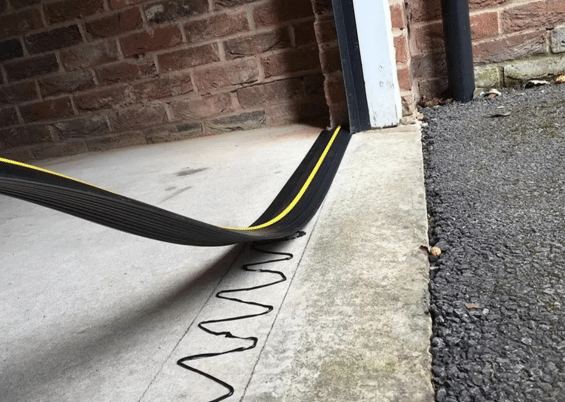
Your garage door’s bottom seal is more than just a protective feature. It plays a key role in preserving the comfort and cleanliness of your garage. The different overhead door garage door bottom seal types serve as barriers against water, dirt, pests, and drafts. A quality seal ensures your garage stays dry, clean, and free from unwanted pests.
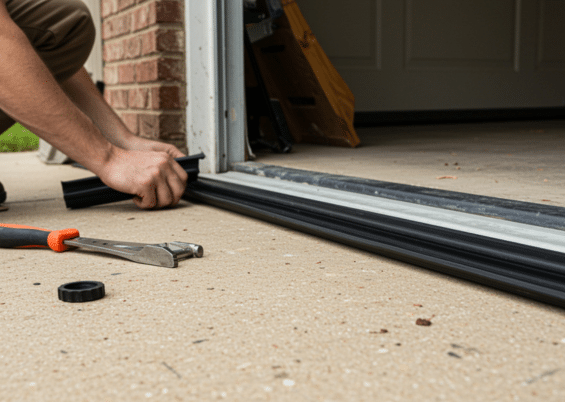
As you explore your options, you’ll find different seal types, each designed for specific needs and environments. Whether you’re dealing with heavy rain, extreme cold, or pest issues, there’s a bottom seal tailored to suit your requirements. This guide will help you select the right seal, ensuring your garage remains secure, energy-efficient, and long-lasting.
Importance of a Good Bottom Seal
A strong garage door bottom seal is crucial for protecting your garage from the elements. Without it, your garage is prone to water damage, mold, and cold drafts. In winter, it helps maintain a stable temperature, making your garage more comfortable and protecting your property from moisture-related issues.
In addition to environmental protection, a solid bottom seal keeps pests out. Rodents, insects, and other small animals seek shelter in garages, especially during extreme weather. With a proper seal, you create a barrier that prevents these unwanted visitors, reducing the risk of damage and health concerns caused by infestations.
A well-maintained bottom seal also boosts energy efficiency. By blocking drafts and maintaining a consistent temperature, your HVAC system doesn’t have to work as hard. This lowers energy bills, saving you money and promoting an eco-friendly approach by reducing your overall energy consumption and environmental impact.
Different Types of Overhead Door Garage Door Bottom Seals
When exploring overhead door garage door bottom seal types, it’s essential to consider the different designs and materials available. Each type is suited for specific conditions and offers varying levels of protection and durability.
1. T-Type Seals
T-type seals are easy to install and effective at blocking water and pests. Their T-shape fits securely, creating a solid barrier at the bottom of the door.
2. U-Type Seals
U-type seals are perfect for uneven garage floors. They expand and contract, offering excellent protection against drafts and water seepage, especially in harsh weather.
3. Bulb Seals
Bulb seals are ideal for older garage doors with larger gaps. Their flexible, bulb-like design adapts to different surfaces, ensuring a tight seal for maximum protection.
4. Brush Seals
Brush seals utilize bristles to prevent debris and small pests from entering. They are often combined with other seals for extra protection, keeping your garage secure from unwanted intruders.
Each type of seal has its unique advantages, and the choice largely depends on the specific needs of your garage environment. Understanding these differences is crucial in making an informed decision that ensures optimal performance and longevity.
Factors to Consider When Choosing a Bottom Seal
When choosing the right garage door bottom seal, consider factors like climate, floor condition, security needs, and material durability to ensure long-lasting protection.
1. Climate Considerations
Choose a seal based on your local climate. For heavy rain or snow, opt for U-type or bulb seals for water resistance and draft protection.
2. Garage Floor Condition
For uneven or cracked floors, select flexible seals like U-type or brush seals to adapt to varying surfaces and ensure a tight seal.
3. Pest Protection Needs
T-type and bulb seals offer tight sealing, ideal for keeping pests out and ensuring your garage remains free from rodents and insects.
4. Material Durability
Choose from rubber, vinyl, or silicone for your seal material. Consider your climate and usage to ensure long-lasting durability and effective performance.
Installation Process for Garage Door Bottom Seals
Installing a garage door bottom seal is easy and helps enhance the efficiency of your door. Gather tools like a tape measure, a screwdriver, and the proper seal for your door.
Step 1. Measure the Door Width
Accurate measurement is key to choosing a properly fitting seal. If needed, cut the seal to match your garage door width for a perfect fit.
Step 2. Remove the Old Seal
Carefully remove the old seal using a screwdriver to loosen screws or brackets. Thoroughly clean the area to ensure the new seal fits properly and installs securely.
Step 3. Attach the New Seal
Slide the new seal into the track or secure it with screws or brackets, depending on the design. Ensure it’s aligned evenly to avoid gaps and improve effectiveness.
Step 4. Test the Seal
Lower the garage door and inspect for any noticeable gaps. Make any necessary adjustments to ensure the seal fits tightly and securely, providing maximum protection.
Following these steps not only promotes proper installation but also guarantees that the seal functions as intended, providing the necessary protection and efficiency.
Maintenance Tips for Overhead Door Bottom Seals
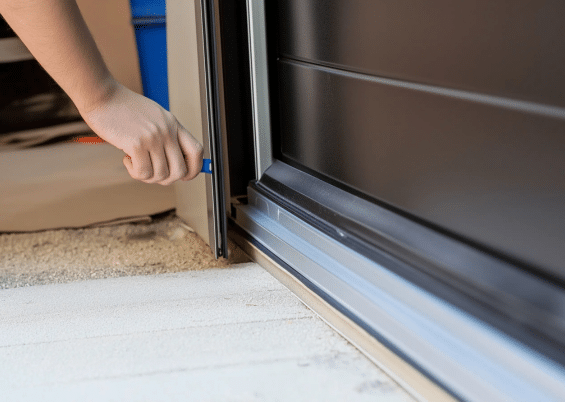
Proper maintenance of your garage door bottom seal is crucial for extending its lifespan and ensuring it performs effectively. Regular care can prevent costly repairs and keep your garage secure from the elements.
1. Clean the Seal Regularly
Clean your garage door bottom seal frequently using mild detergent and water to remove dirt and debris, helping maintain its condition without damaging the material.
2. Inspect for Damage
Check the seal for cracks, tears, or wear. Replace it if necessary to prevent further damage and ensure it remains an effective barrier.
3. Lubricate the Seal
Apply a silicone-based lubricant to rubber or vinyl seals to prevent cracking and drying out, keeping the seal flexible and effective in extreme weather conditions.
4. Check Alignment
Ensure the seal is aligned correctly by inspecting it regularly. Adjust as needed to maintain a tight fit and keep out moisture, pests, and drafts.
Regular maintenance of your overhead door bottom seal will keep it working efficiently for years. By cleaning, inspecting, and lubricating the seal, you protect your garage and prevent costly repairs.
Common Issues with Garage Door Bottom Seals and Solutions
Garage door bottom seals are essential for protecting your garage from the elements, but they can face issues over time. Identifying these issues early helps preserve the seal’s effectiveness and avoid expensive garage door repairs.
- Wear and Tear: Exposure to harsh weather and frequent use can make seals brittle, causing cracks. Regular inspection and timely replacement are essential.
- Improper Installation: Poor installation leads to gaps and ineffective sealing. Ensure correct alignment and attachment, or consult a professional for optimal results.
- Incompatibility with Door Design: If the seal doesn’t match your door’s material or design, it may fail to provide a secure fit. Ensure compatibility.
By addressing these common issues with timely inspections, proper installation, and choosing the right seal, you can ensure your garage door remains well-sealed and functional.
FAQs About Overhead Door Garage Door Bottom Seal Types
How do I fix a cracked garage door bottom seal?
To repair a cracked garage door bottom seal, remove the old seal and clean the area. Measure and cut a new seal to fit, then slide it into place or secure it with screws, depending on the design, ensuring a tight seal.
What is the difference between T-type and U-type garage door seals?
T-type seals are designed to fit into a track, offering a tight seal against water and pests. U-type seals, ideal for uneven floors, expand and contract to fill gaps, providing adequate protection against drafts and water seepage.
Which is better for garage door bottom seals: rubber or vinyl?
Rubber seals are generally more durable and flexible than vinyl, making them better suited for extreme weather conditions, though both materials are effective. Vinyl seals are often more affordable and offer good performance in moderate conditions, though they may wear out more quickly.
Does my garage door bottom seal need replacing?
If you notice gaps, cracks, or visible wear in your garage door bottom seal, it’s time for a replacement. Additionally, if water, pests, or drafts are entering your garage, the seal may no longer be providing adequate protection.
Conclusion
Choosing the right overhead door garage door bottom seal types is essential for your garage’s protection and performance. Understanding the options and considering factors like climate, floor condition, and pest issues will help you make the best decision. A proper seal ensures your garage stays secure, clean, and comfortable.
Investing in a high-quality seal not only guards your garage from the elements but also boosts energy efficiency. Properly maintained and regularly replaced seals improve your garage door’s longevity, reducing the need for costly repairs. If you need garage door repair in Richmond, TX, contact trusted professionals to ensure a seamless fit.
Take action now by evaluating your garage’s specific needs and selecting the best seal. Whether you’re looking to protect from weather, pests, or improve insulation, the proper seal can make all the difference. Reach out to First Call Garage Doors for expert advice and top-tier solutions for your garage.
End Note
At First Call Garage Doors, we’re committed to keeping your garage door in top shape. Whether you need garage door repair, garage door installation, or garage door maintenance, we offer reliable services to meet all your needs. Explore our full range of services, and let us help you maintain your garage door’s efficiency.
We offer a wide range of services, such as garage door opener repair, broken springs, and garage door remote control solutions. If you’re looking for a new garage door opener replacement or want to improve your garage’s functionality, visit us at Garage Services. Don’t forget to check out our garage door repair and garage door service pages for additional details.
With years of expertise, we serve various areas, ensuring fast, reliable service. Whether you need a garage door keypad installation or a garage door opener replacement, our team is ready to help. Learn more about us on our About Us page or visit our Service Areas to see if we cover your location. Get in touch with us today through Contact Us for expert service.
First Call Garage Doors
20527 FM 1093 Unit B205, Richmond, TX 77407, United States
+17132482684