
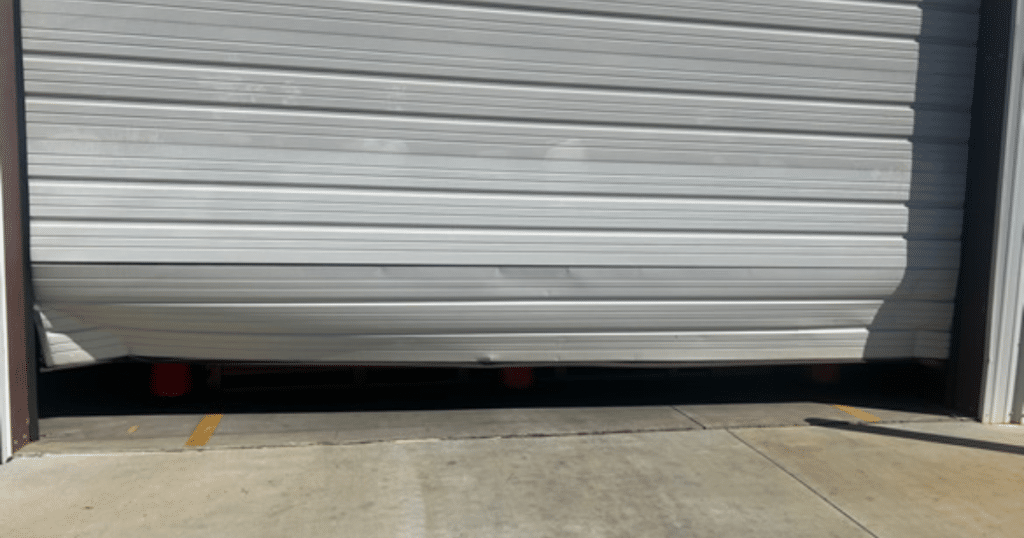
Your garage door is a part of your home that you rely on every day, yet it often goes unnoticed until something goes wrong. When problems appear, timely garage door service can help prevent minor issues from turning into major system failures. Small signs such as unusual noises, uneven movement, or delayed response should never be ignored. Addressing these early issues helps protect the entire garage door system and keeps it operating safely.
Regular maintenance is the most effective way to keep your garage door strong, reliable, and secure over time. Routine care reduces wear on moving parts, improves overall performance, and lowers the risk of sudden breakdowns. By staying proactive, you avoid unexpected disruptions and minimize the need for urgent repairs, giving you confidence that your garage door will continue to work when you need it most.
Spotting Early Garage Door Problems
Identifying potential garage door issues early helps prevent more serious and costly problems later. Many warning signs are subtle, such as slight changes in movement, unusual sounds, or delayed response when opening or closing the door. These small changes often signal that components are beginning to wear and that a professional inspection is needed before the door fails.
Recognizing these signs allows you to schedule garage door repair at a convenient time rather than dealing with an unexpected breakdown. Timely service helps maintain smooth operation, reduces safety risks, and limits damage to other parts of the system. Planning repairs early also saves time and stress, keeping your garage door reliable and your routine uninterrupted.
Learn why neglecting garage door maintenance often leads to larger, more expensive issues by reading: Why Does Lack of Garage Door Maintenance Lead to Bigger Problems?
Common Signs Your Garage Door Needs Attention
When your garage door starts acting up, it’s telling you that it needs care. Ignoring minor issues now can lead to bigger problems later, which will cost you more to fix. Unusual noises, such as grinding or screeching, often indicate that parts inside need lubrication or that debris in the tracks is causing friction. Slow operation when opening or closing your garage door may indicate that an internal component is failing.
Watching how your door works is important because catching problems early can save you money and keep your garage safer. You should call for an inspection if you notice these things:
- The door closes even if something is in the way. This may indicate that the safety sensors are not functioning properly or are misconfigured.
- Your door panels appear uneven or don’t align. This often indicates a worn or damaged spring that can’t hold the door up as it should.
- Rust is visible on the springs, cables, or tracks. Rust indicates these pieces are deteriorating and need immediate attention.
All these signs indicate a mechanical issue with your garage door that requires a skilled technician. Getting help quickly will reduce repair costs and ensure the door works as intended.
Find out how skipping routine garage door maintenance can set off a chain reaction of problems throughout the system by reading: The Chain Reaction Caused by Skipping Garage Door Maintenance.
Why Small Garage Door Issues Are Easy to Miss
The gradual wear and tear that occurs is one reason many minor issues with your garage door can go unnoticed as you use it every day. For example, a bolt can loosen over time, or the track can become slightly misaligned. These issues may not prevent the garage door from operating immediately. You might hear a new sound or notice that the old system behaves slightly differently.
Over time, people get used to signs of wear, such as a slight squeak or a brief pause when opening or closing the garage door. Since the door still works, you might think you do not need to check it right away. This is very common with loose hardware. Many do not see this problem without a closer look.
But if you keep putting off these minor problems, it can put your entire system at risk. Moreover, it can make your home less family-friendly. It is essential to prioritize garage door safety. When you notice signs of wear or minor issues, it is smart to address them promptly to keep your garage door and your home secure and working well.
Learn how regular garage door maintenance helps stop failures before they disrupt safety and performance by reading: What Regular Garage Door Maintenance Does to Prevent Failures.
Why Regular Garage Door Tune-Ups Matter
Booking a regular garage door tune-up is one of the simplest ways to keep your home safe. Having garage door service performed before problems arise can prevent last-minute breakdowns. A professional garage door service does more than just a quick look.
The technician checks all parts closely to ensure they function as intended. This helps ensure your garage door operates reliably and remains safe. You do not have to worry about surprises or unexpected issues. When you let a technician handle these checks, you can be confident your garage door is in top shape, as they follow best practices to prevent premature repairs.
Discover recommended garage door maintenance practices that help extend system lifespan and reduce unexpected repairs by visiting the International Door Association.
How Often Should You Get Your Garage Door Checked
To keep your garage door operating smoothly and avoid costly repairs later, schedule service at least once a year. This regular maintenance allows a garage door professional to inspect every component, including openers, safety features, and garage door keypads, to ensure everything functions as intended. Annual service helps catch minor issues early, before they become larger problems.
Garage doors that are used frequently or exposed to harsh weather conditions may require more frequent professional maintenance checks. If you notice door movement issues, delayed control response, or are unsure when the system was last inspected, it is wise to have a technician review it sooner rather than later.
A garage door professional with years of experience can inspect your door, identify any needed repairs, and advise you on your regular maintenance plan. Doing it this way helps protect your warranty and can prevent problems before they happen, so you can count on your garage door all year.
Key Areas to Inspect During a Tune-Up
A professional inspection during a tune-up examines the most critical components of your overhead door. These are the measures that help keep it safe and ensure it runs smoothly every day. The technician will inspect all moving parts closely. This is necessary because these parts can wear out or generate excessive friction over time.
The inspection will also include a check of the door’s balance. This is important because maintaining the right balance prevents additional stress on the opener. The technician will verify that the safety sensors are aligned correctly and functioning as intended. This step is necessary to ensure the safety features function as intended.
Vital Parts That Need Regular Maintenance
Specific components of your garage door system endure more stress than others and, therefore, require consistent attention to prevent failures. Crucial elements such as garage door springs, which do the heavy lifting, and nylon rollers, which guide the door along its tracks, must be inspected for signs of wear, rust, or damage.
Proper maintenance of these elements is key to the door’s performance, as even a minor issue with one part can affect the entire system. For instance, deteriorating weather seals can allow moisture and debris to enter, accelerating the corrosion of metal parts, while damaged door panels can compromise the door’s structural integrity.
A comprehensive inspection even considers the original opener installation to ensure all connections and settings remain secure and properly calibrated.
Review everyday garage door maintenance steps to help prevent malfunctions, component wear, and safety hazards by visiting StaySafe.org.
How Minor Issues Become Major Failures
Minor problems with your garage door often start quietly. It may be a squeaky hinge, or something may feel loose, like a bolt. At the start, these things look simple and easy to ignore. But if you do not address them, the problem worsens. One small problem can put stress on other parts of the system. Over time, every part wears out more, which can lead to bigger problems. One example is an unbalanced garage door. This makes the opener motor work harder than it should. Over time, the motor can burn out. Ultimately, what was once a minor garage door adjustment can become an expensive repair.
If you wait too long to get a tune-up or garage door repair, you can risk a total breakdown. This could make it difficult to exit your vehicle, or your home may not be secure. The safety hazards increase as well. If high-tension springs or cables break, they can snap quickly and cause injury. This type of accident may result in serious injuries or property damage. Having regular garage door repair is one of the best ways to keep your home safe and your garage door operating properly. These tune-ups help prevent larger failures, such as broken springs, heavy cables snapping, or openers not working.
Dependable Garage Door Maintenance Services
Addressing minor garage door issues promptly can help your garage door system last longer. It also enables you to avoid costly repairs later. Regular maintenance and tune-ups are essential because they help identify minor issues before they escalate into larger, more expensive problems. If you maintain inspections, you can ensure all parts of the garage door operate as intended. Ignoring early signs of trouble can cause your garage door to malfunction. This may make your day harder and even lead to more expensive fixes.
First Call Garage Doors specializes in high-quality garage door repair and ongoing maintenance services. Experienced technicians are trained to handle a wide range of garage door issues efficiently and correctly. Replacement services are available when repairs are no longer the best option. A foundation built on trust and service quality guides every customer interaction.
Contact us today or give us a call for expert garage door solutions.
Frequently Asked Questions
How do minor garage door problems start in the first place?
Minor garage door problems often begin with small changes like a slight imbalance, reduced lubrication, or loose hardware. We find these issues develop gradually and rarely stop the door from working right away. Because performance still feels acceptable, early warning signs are often overlooked.
Why do small garage door issues tend to get ignored?
Garage doors are used frequently, which makes gradual changes feel normal over time. We see homeowners adapt to new noises or slower movement without realizing something is wrong. This delay allows minor problems to continue developing unchecked.
How does friction turn into serious garage door damage?
Friction increases when rollers, hinges, or tracks lack proper lubrication or alignment. Over time, this added resistance causes parts to wear unevenly and heat to build during operation. What starts as a small friction issue can eventually damage multiple components.
Why does imbalance cause problems to spread through the system?
Garage doors rely on balance to distribute weight evenly across springs, cables, and hardware. When balance shifts slightly, certain parts are forced to carry more load than intended. This uneven stress accelerates wear and leads to predictable failures.
How do worn springs contribute to larger system failures?
As springs weaken, they lose the ability to properly counterbalance the door. We find this places extra strain on cables, rollers, and the opener. Eventually, one weakened spring can trigger multiple related failures.
Why do minor noises often come before major breakdowns?
Sounds like squeaking, grinding, or popping usually signal early wear or misalignment. We see these noises appear long before parts actually break. Ignoring sound changes allows internal damage to progress quietly.
How can a small alignment issue turn into track or roller failure?
Even slight misalignment forces rollers to grind against tracks instead of rolling smoothly. Over time, this damages both the rollers and the track structure. What began as a simple adjustment can lead to costly structural repairs.
Why does the garage door opener often fail after other issues are ignored?
Openers are designed to guide movement, not compensate for mechanical problems. When doors become heavy or resistant, the opener works harder to overcome the issue. Continued strain often leads to motor or gear failure.
How does delaying minor repairs increase safety risks?
As components weaken, door movement becomes less predictable and harder to control. We see increased risk of sudden stops, drops, or doors coming off track entirely. Safety risks grow as minor issues evolve into major failures.
How does early attention prevent serious garage door failures?
Addressing small problems restores balance, reduces friction, and limits stress on the system. We believe early intervention stops damage from spreading to healthy components. This approach prevents emergencies, lowers costs, and protects long-term reliability.