
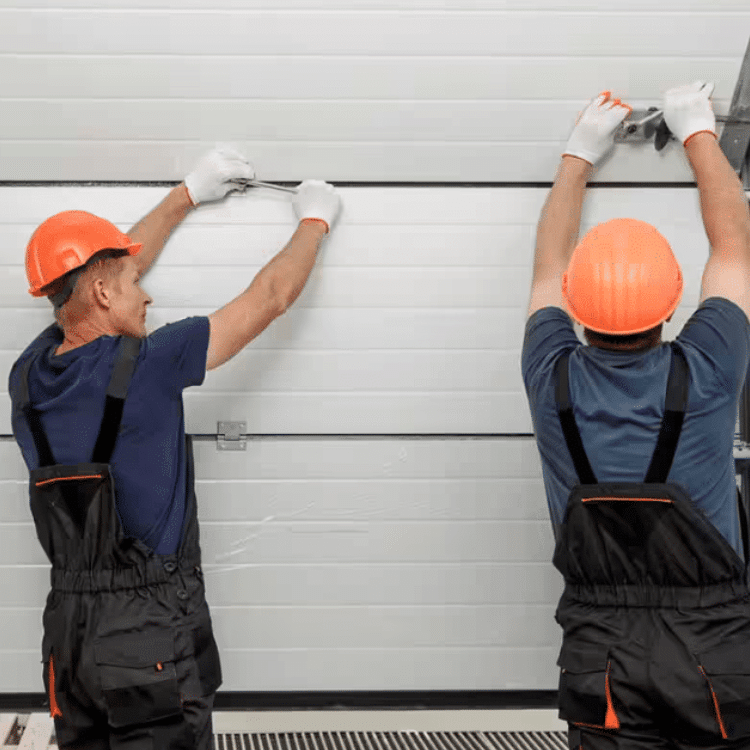
Garage doors are among the largest and most frequently used access points in residential structures, yet their impact on security and efficiency is often underestimated. Aging materials, outdated construction methods, and gradual performance decline can quietly weaken protection and environmental control without obvious failure.
Evaluating how garage door replacement affects security and efficiency requires examining design, materials, and system coordination rather than surface appearance alone. Modern doors integrate structural reinforcement and energy-conscious features, reshaping how the garage interacts with the rest of the home.
Structural Strength as a Foundation for Improved Security
Security begins with physical resistance, which depends heavily on panel construction, reinforcement, and overall rigidity. Older garage doors often lack the internal strength required to resist force, even if they appear intact.
Replacing the door introduces modern structural elements that strengthen the entire opening rather than relying on individual components.
Find out when replacing an aging or damaged garage door becomes the smarter, safer option compared to continued repairs by reading: Is Garage Door Replacement the Right Choice for an Aging or Damaged Door?
Structural Improvements Delivered Through Replacement
- Reinforced panel construction designed to resist bending and impact
- Thicker gauge materials that improve overall rigidity
- Improved internal bracing across wide door spans
- Reduced flex during opening and closing cycles
- Stronger connection points between panels and hardware
- More consistent load distribution across the door surface
Stronger panels reduce the ability of external force to compromise the door’s shape or alignment. Improved rigidity also supports smoother operation, reducing vibration and wear on connected hardware.
Residential garage door replacement improves security by addressing structural vulnerabilities directly rather than compensating for them with added accessories or temporary reinforcements.
Learn the key warning signs that indicate your garage door may be reaching the point where replacement is necessary by reading: What Signs Indicate It’s Time to Consider Garage Door Replacement?
Resistance to Forced Entry and Tampering
- Improved panel resistance to prying and bending
- Reduced gaps along door edges and seams
- Stronger track engagement that resists displacement
- Improved attachment between the door and the opener arm
- Reduced leverage points around hinges and brackets
- Better containment within the track system
Older doors often develop gaps and flex points that make forced entry easier without leaving obvious damage. Replacement tightens tolerances and reduces weak points that compromise security.
Garage door installation using modern design standards improves resistance while maintaining reliable daily operation.
Explore what homeowners can expect during the garage door replacement process, from removal and installation to testing and final setup, by reading: What Should Homeowners Expect During a Garage Door Replacement Process?
Integrated Safety and Control Improvements
Security also depends on how the door responds to movement, resistance, and control input. Proper garage door maintenance ensures these responses remain precise and predictable over time, while modern systems integrate safety and control features far more effectively than older designs.
Replacement improves how detection, movement, and stopping behavior work together.
Updated Safety and Control Coordination
- Improved compatibility with modern opener systems
- Consistent engagement with safety sensors
- Controlled force application during closing cycles
- Reduced reliance on mechanical resistance
- Improved response timing during obstruction events
- More predictable stopping and reversing behavior
Better coordination reduces situations where force-based responses compensate for weak detection. This shift improves both safety and security by preventing unintended movement or delayed reactions.
Garage door services focused on replacement address these interactions holistically rather than adjusting individual components in isolation.
Efficiency Gains Through Improved Insulation and Sealing
Efficiency improvements represent one of the most immediate benefits of garage door replacement, especially in homes with attached garages. Older doors often allow significant air transfer due to worn seals and limited insulation.
Replacing the door creates an opportunity to improve environmental separation between the garage and living spaces.
Insulation Improvements Available With Replacement
- Insulated panel cores that stabilize interior temperatures
- Higher insulation ratings compared to older materials
- Reduced thermal bridging across door sections
- Improved performance during seasonal temperature shifts
- Enhanced resistance to condensation formation
- Better protection for stored items
Improved insulation reduces temperature fluctuations inside the garage, supporting comfort and reducing energy loss. This stability benefits adjacent rooms by limiting heat transfer.
New garage door replacements allow homeowners to select insulation options appropriate to the climate and usage, rather than accepting outdated performance limitations.
Enhanced Sealing and Air Control
- Improved perimeter seals that reduce drafts
- Tighter contact between panels and framing
- Reduced gaps along the side rails and thresholds
- Better resistance to wind-driven air intrusion
- More consistent sealing across repeated cycles
- Reduced infiltration of dust and moisture
Air leakage often increases gradually as seals compress and panels warp. Replacement restores sealing consistency, improving efficiency without altering the home’s structure.
Garage door installation that prioritizes sealing reduces unnecessary energy transfer and supports stable indoor conditions.
Noise Reduction and Operational Efficiency
Operational efficiency extends beyond energy use, influencing noise, vibration, and mechanical effort. Older doors often generate noise as components wear and alignment deteriorates.
Replacement improves operational efficiency by restoring balance and reducing friction throughout the system.
Factors That Reduce Noise and Mechanical Strain
- Balanced panel weight distribution
- Smooth roller travels along aligned tracks
- Reduced vibration from reinforced construction
- Lower force requirements during operation
- Improved compatibility with modern openers
- Consistent movement across cycles
Reduced noise reflects smoother operation and lower stress on components. This improvement benefits daily usability while extending the service life of connected hardware.
Residential garage door replacement improves mechanical efficiency by addressing alignment, weight, and material interaction together.
Energy Impact on Adjacent Living Spaces
Garages connected to living spaces influence indoor comfort more than many homeowners realize. Inefficient doors allow heat and cold to transfer through shared walls and ceilings.
Replacement reduces this impact by strengthening the barrier between spaces.
Ways Replacement Improves Indoor Comfort
- Reduced cold transfer during the winter months
- Lower heat intrusion during summer conditions
- More stable temperatures near garage entry points
- Reduced drafts along shared walls
- Improved humidity control near interior spaces
- Less strain on heating and cooling systems
Efficiency improvements gained through replacement extend beyond the garage itself, influencing comfort throughout the home. These gains accumulate gradually through reduced energy loss.
Garage door services that emphasize replacement consider the door’s role within the broader building envelope.
Compatibility With Modern Technology and Standards
Modern garage doors are designed to integrate with updated openers, controls, and safety features. Older doors often limit these integrations due to design constraints.
Replacement aligns the system with current expectations for performance and control.
Technology Compatibility Benefits
- Seamless integration with updated openers
- Improved responsiveness to control inputs
- Enhanced reliability of safety sensors
- Better support for monitoring features
- Consistent operation across environmental conditions
- Simplified future upgrades and servicing
Compatibility improvements reduce the need for workarounds and partial upgrades that compromise reliability, simplifying ongoing care and maintenance.
New garage door installation supports cohesive system performance rather than piecemeal adaptation.
Long-Range Efficiency and Reliability Outcomes
Efficiency and security improvements gained through replacement influence reliability over time. Stable operation reduces wear, emergency service needs, and performance variability.
Replacement shifts system behavior from reactive compensation to controlled consistency.
Reliability Benefits Linked to Replacement
- Reduced frequency of service interruptions
- More predictable daily operation
- Lower mechanical stress across components
- Improved balance and alignment retention
- Fewer emergency repair situations
- Greater confidence in system performance
Residential garage door replacement provides a foundation for consistent performance rather than ongoing adjustment. This stability supports both efficiency and security goals without constant intervention.
Viewing Security and Efficiency as Connected Outcomes
Security and efficiency improvements work together rather than independently. Stronger structure supports better sealing, while controlled movement improves safety and energy performance simultaneously.
Replacement addresses these outcomes at the system level rather than through isolated improvements.
Understanding this connection, often outlined in a comprehensive guide to garage doors, clarifies why garage door replacement influences more than appearance or convenience. Integrated design improves how the door protects, insulates, and operates within the home.
Sustaining Performance Through Professional Evaluation
Achieving the full benefits of replacement depends on proper evaluation, installation, and alignment. Professional oversight ensures that structural strength, insulation, and control systems work together effectively.
Ongoing evaluation supports reliable performance as conditions change over time. Viewing the garage door as a system rather than a single component helps preserve security and efficiency without unexpected setbacks.
First Call Garage Doors specializes in complete garage door solutions tailored to residential needs. From expert repairs to maintenance and replacement services, every job is completed by skilled technicians with industry experience. A commitment to trust and service quality guides every customer interaction.
Contact us today or give us a call to book trusted garage door services.
Frequently Asked Questions
Why do older garage doors create security weaknesses?
Older doors often have worn panels, outdated locks, or weakened connection points. We frequently find gaps, flexing, or failing hardware that can be more easily exploited. These weaknesses reduce the door’s ability to act as a reliable barrier.
How does a new garage door improve locking and access control?
Modern garage doors are designed to work with advanced opener systems and secure locking mechanisms. We often see improved resistance to forced lifting or manual disengagement. Better integration creates a more controlled and secure access point.
Why does structural integrity matter for garage door security?
A door’s strength depends on how well its panels, tracks, and hardware work together. We frequently see aging doors lose rigidity over time, making them easier to bend or force open. Replacement restores a solid, unified structure, improving overall security.
How does garage door replacement improve energy efficiency?
New garage doors offer better insulation and tighter seals than older designs. We often see improved temperature control inside garages after replacement. This reduces energy loss and helps maintain more consistent indoor conditions.
Why do insulated garage doors reduce heating and cooling strain?
Insulated doors slow heat transfer between the garage and living spaces. We frequently find that this helps reduce the workload on heating and cooling systems. Improved insulation supports long-term energy efficiency throughout the home.
How does a better seal improve efficiency and comfort?
Modern doors are designed with improved weather stripping and edge seals. We often see reduced drafts, moisture intrusion, and air leakage after replacement. These improvements help protect stored items and interior spaces.
Why does smoother operation contribute to efficiency?
New doors are properly balanced and aligned from the time of installation. We frequently see reduced friction and strain during operation. Efficient movement minimizes energy use by the opener and reduces wear over time.
How does garage door replacement reduce maintenance-related energy loss?
Aging doors often require frequent adjustments that affect alignment and sealing. We often find that replacement eliminates recurring issues that compromise efficiency. Fewer adjustments help maintain consistent performance.
Why does garage door replacement provide long-term value beyond appearance?
Improved security and energy efficiency work together to protect the home and reduce operating costs. We frequently see homeowners benefit from reduced maintenance requirements and greater peace of mind. Replacement supports both safety and efficiency for years to come.