
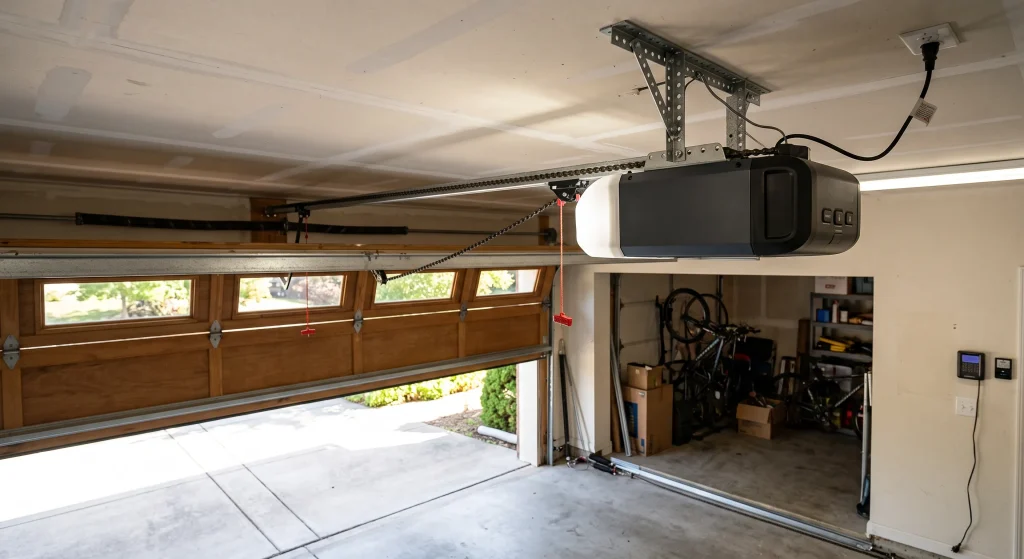
There is nothing fun about a garage door that sounds like a freight train at 6 a.m. If the bedroom sits above or next to the garage, that morning rumble can wake up the whole house. Plenty of homeowners in Richmond, TX deal with this exact problem, and most of them think the noise is just something they have to live with. It is not. In many cases the fix is as simple as a quick garage door opener repair, and the difference is night and day.
A quiet garage door opener solves the problem by changing how the door is lifted and how the vibration travels through the house. This guide breaks down exactly how that works, in plain language, so any homeowner can understand it. It also covers the main garage door opener types, a few honest maintenance tips, and how to pick the best garage door opener for a home in the Richmond area. Along the way it touches on the small add-ons that make daily life easier, like garage door keypads that let the family come and go without a remote.
The Short Answer
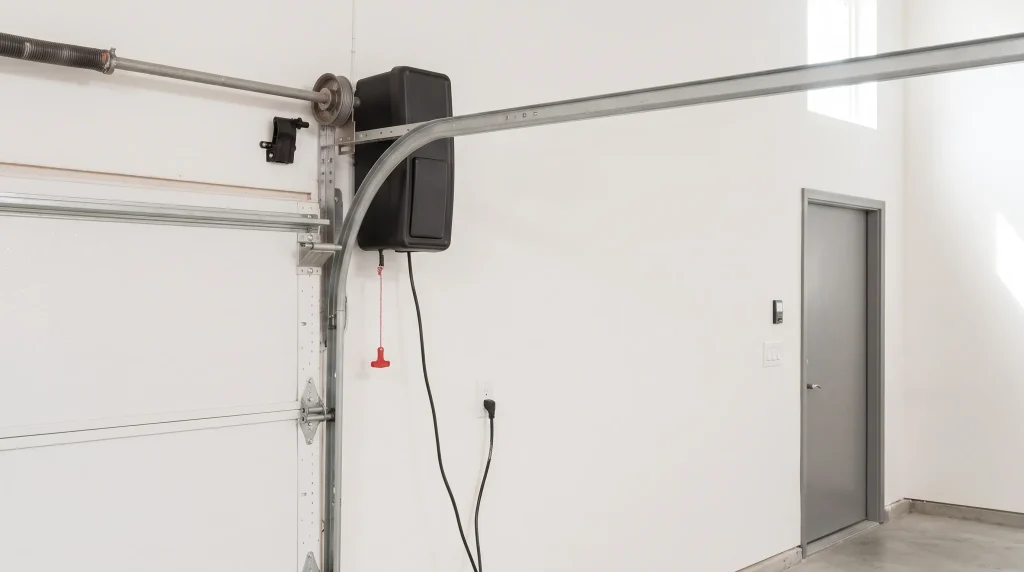
A quiet garage door opener works by using a smooth belt or a direct-drive system instead of a noisy metal chain, pairing it with a DC motor that starts and stops gently. Together these parts cut down on the rattling, grinding, and vibration that make older openers so loud. The result is a door that lifts smoothly and stays whisper-quiet, even in a bedroom above the garage.
That is the fast version. Below is the full breakdown.
Curious which models come out on top? The guide “What Is the Most Quiet Garage Door Opener?” breaks down the top picks worth considering.
7 Things That Make a Quiet Garage Door Opener Work
Noise from a garage door comes from a mix of parts working together. Understanding these seven pieces makes it easy to see why some openers sound like a jet engine while others barely make a sound.
1. The Drive System Sets the Noise Level
The drive system is the part that actually pulls the door up and lowers it back down. It is the single biggest reason one opener is loud and another is quiet. There are a few common designs, and each one makes a different amount of noise.
Chain-drive systems use a metal chain, a lot like a bicycle chain, to move the door. They are strong and last a long time, but the metal-on-metal contact creates that classic clanking sound. Belt-drive and direct-drive systems handle the same job with far less racket. When shopping for a quiet garage door opener, the drive system is the first thing to look at.
2. Belt Drives Replace the Rattle of Chains
A belt-drive opener swaps the metal chain for a reinforced rubber belt, often strengthened with steel or fiberglass. Because rubber flexes instead of clanking, it soaks up sound and vibration instead of sending it into the ceiling and walls.
This is why belt-drive models are one of the most popular choices among the different garage door opener types for homes with living space over the garage. The belt does the same heavy lifting as a chain, so there is no loss in strength for a normal residential door. The main trade-off is a slightly higher price, but for anyone tired of the morning wake-up call, it is usually worth it.
3. DC Motors Run Smoother Than Older AC Motors
The motor matters just as much as the drive system. Older openers used AC motors, which run at one speed and tend to jolt the door into motion with a loud thunk. Newer quiet openers use DC motors instead.
A DC motor can speed up and slow down gradually. That gentle change in speed removes the hard jerk at the start and finish of each cycle. DC motors are also usually smaller and lighter, which helps reduce vibration. Almost every quiet garage door opener sold today uses a DC motor for this exact reason.
4. Soft-Start and Soft-Stop Slow the Motion
Soft-start and soft-stop is a feature made possible by the DC motor. Instead of slamming into motion, the door eases up to full speed, then slows down smoothly before it reaches the top or bottom.
Think of it like braking gently in a car versus stomping the pedal. The gentle version protects the parts and keeps things quiet. This feature also reduces wear on the springs, rollers, and hardware, which means fewer repairs down the road. It is one of the quiet features that separates a basic opener from the best garage door opener options on the market.
5. Smart Vibration Isolation and Solid Mounting
Even a great opener can sound loud if it is mounted poorly. Vibration is sneaky. When the motor unit bolts directly to the ceiling joists, those joists carry the buzz straight into the rooms above.
Quiet openers use rubber grommets, isolation pads, or anti-vibration mounting kits to break that path. These small pieces absorb the shaking before it reaches the house frame. A skilled installer in Richmond, TX will also make sure the unit is level and the rail is secured correctly. Good mounting is a big part of why a professionally installed quiet garage door opener stays quiet for years.
6. Quality Rollers and Hardware on the Door Itself
Here is a truth many homeowners miss: the opener is only half the story. The garage door and its hardware make plenty of noise on their own. Old steel rollers, loose hinges, and dry tracks can grind and squeak no matter how quiet the opener is.
Nylon rollers roll far more quietly than worn metal ones. Tight, well-kept hinges and clean tracks let the door glide instead of shudder. When the door hardware is in good shape, even a mid-range opener sounds much better. This is why a full check of the door, not just the opener, gives the quietest result.
7. A Smart Garage Door Opener Adds Quiet Convenience
A smart garage door opener does not just cut noise; it adds control. Smart models connect to a phone app so the door can be opened, closed, and checked from anywhere. Many pair with a DC motor and belt drive, so the smart features come built into an already quiet machine.
The quiet benefit here is practical. There is no need to hunt for a remote or slam the wall button. A smart garage door opener also sends alerts if the door is left open, which is handy for busy families. For anyone building a quieter, more modern setup, a smart garage door opener ties the whole system together.
Still weighing the upgrade? The article “Is a Quiet Garage Door Opener Worth Installing?“ lays out the real-world benefits to help with the decision.
Garage Door Opener Types Compared for Noise
Choosing between the garage door opener types is easier when the noise level of each is clear. Here is a simple comparison of the most common designs.
| Opener Type | Noise Level | Best For | Notes |
| Belt Drive | Very quiet | Bedrooms over the garage | Rubber belt absorbs sound |
| Direct Drive | Very quiet | Homes needing low maintenance | Motor moves along the rail; few moving parts |
| Jackshaft (wall-mount) | Quiet | Garages with tricky ceilings | Mounts on the wall, frees ceiling space |
| Screw Drive | Moderate | Mild climates, budget builds | Can get louder over time |
| Chain Drive | Loud | Detached garages, workshops | Strongest and cheapest, but noisy |
For a Richmond, TX home with living space above the garage, belt drive, direct drive, or a jackshaft opener are the standout garage door opener types. Chain drives still have their place in detached garages where noise is not a concern.
Noticing a once-quiet opener starting to act up? The post “Why Is My Quiet Garage Door Opener Getting Louder?“ explains what those new sounds usually mean.
How to Keep a Quiet Garage Door Opener Quiet (Tips + What to Check)
Buying a quiet opener is step one. Keeping it quiet takes a little regular attention. A garage door goes up and down thousands of times a year, and Richmond’s humid, hot summers can dry out lubricant and stress hardware faster than in cooler climates. These simple habits help.
What to check every few months:
- Listen for new sounds. A fresh squeak, grind, or pop is the door’s way of asking for attention. Catching it early keeps a small issue from turning into a bigger repair.
- Look at the rollers. Cracked or worn rollers are a top cause of extra noise. Nylon rollers usually run quieter than old steel ones.
- Watch the door’s movement. A door that jerks, hangs, or looks uneven as it moves may have a spring or track issue that needs a professional eye.
- Check the hardware for looseness. Vibration slowly loosens bolts and brackets. If something looks loose, that is a sign the door needs a tune-up.
- Keep the tracks clear. Dirt, leaves, and small debris can make a smooth door sound rough.
A few honest tips:
Light lubrication on the moving hardware helps, but the type of lubricant matters, and the springs and cables should be left to a trained technician. The garage door springs are under heavy tension and can cause serious injury, so that part of the system is not a place for guesswork. If the noise keeps coming back after basic upkeep, that is the moment to call a local garage door pro in Richmond, TX rather than keep patching it.
The average cost of a routine tune-up is low compared to the average cost of replacing a whole opener or door section, so regular maintenance almost always pays off. A quiet garage door opener that is cared for can easily last well over a decade.
Signs the Noise Is a Bigger Problem
Not all garage door noise is harmless. Different sounds often point to different issues. Knowing the difference helps a homeowner decide whether it is a quick fix or a call to a professional.
- Grinding or scraping often points to worn rollers or a track problem.
- A loud bang can mean a broken spring, which is a safety concern and needs prompt professional attention.
- Rattling usually comes from loose bolts, brackets, or hardware.
- A humming motor with no movement may mean the opener motor or gears are wearing out.
- Squeaking is often dry or aging hardware that needs proper care.
If any of these show up, the safe move is to stop using the door and have it looked at. Pushing a struggling door can turn a small repair into a full replacement. Trusting a licensed technician protects both the home and the people in it.
Choosing the Best Garage Door Opener for a Richmond, TX Home
Picking the best garage door opener is not only about the quietest model on the shelf. It is about matching the opener to the home, the climate, and the daily routine.
Richmond, TX brings hot, humid summers and the occasional heavy storm. Humidity can wear on metal parts, so a system with fewer exposed metal contact points, like a belt-drive or direct-drive unit, tends to hold up well. For homes with bedrooms directly above or beside the garage, a quiet garage door opener with a DC motor and soft-start is the clear winner. When an older unit is past its prime, a new garage door opener replacement is often the smartest long-term move.
Garage layout matters too. Homes with low ceilings, storage racks, or unusual framing may do better with a wall-mounted jackshaft opener, which is one of the space-saving garage door opener types that also runs quietly. Families who value control and security often lean toward a smart garage door opener so they can check and close the door from a phone.
The best garage door opener for one home is not always the best for the next. A trusted local installer can look at the door’s weight, the garage design, and the household’s needs, then recommend a model that fits. That same professional can spot related issues early, such as a broken garage door spring repair that could be putting extra strain on the opener. When comparing the best garage door opener choices, weigh the drive type, the motor, the smart features, and the reputation of the installer doing the work. The right combination gives years of quiet, reliable service.
A quiet garage door opener is more than a luxury. It protects sleep, cuts stress, and signals that the whole system is running the way it should. Understanding how the parts work together makes it easy to spot problems early and choose wisely when it is time to upgrade.
Ready for a Quieter Garage in Richmond, TX?
First Call Garage Doors has helped homeowners across Richmond, TX enjoy quieter, smoother, and more reliable garage doors for years. Our team knows the local climate, understands which quiet garage door opener fits each home, and takes pride in clean installs and honest advice. Whether the goal is upgrading to a smart garage door opener, comparing garage door opener types, or simply silencing that early-morning rumble, friendly local experts are ready to help. Contact us today or give us a call to find the best garage door opener for your home and get back to enjoying a peaceful, quiet garage.
Frequently Asked Questions
What is the quietest type of garage door opener?
Belt-drive and direct-drive models are the quietest garage door opener types. Wall-mounted jackshaft openers are also very quiet and free up ceiling space.
Will a quiet garage door opener stay quiet forever?
Not without upkeep. Rollers, hinges, and tracks wear over time, especially in humid climates like Richmond, TX. Regular checks keep a quiet garage door opener running smoothly for many years.
Does the garage door itself affect the noise?
Absolutely. Worn rollers, loose hardware, and dirty tracks make noise no matter how good the opener is. Quiet results come from caring for both the door and the opener.
Is a smart garage door opener worth it?
For most families, yes. A smart garage door opener lets a homeowner open, close, and check the door from a phone, and it sends alerts if the door is left open. Many smart models are also belt-driven, so they stay quiet. For more home tips and product insights, Family Handyman is a helpful resource.
Why did the garage door suddenly get louder?
Sudden noise usually points to loose hardware, worn rollers, or a spring issue. A loud bang in particular can mean a broken spring and should be checked by a professional right away. For more on troubleshooting common home issues, Bob Vila offers useful guidance.
Can the springs or cables be fixed at home?
No. Garage door springs and cables are under heavy tension and can cause serious injury. Those repairs should always be handled by a trained technician.
How often should a garage door opener be serviced?
A quick check every few months and a professional tune-up about once a year keeps things quiet and safe. The average cost of a tune-up is small compared to a full replacement.
What makes one model the best garage door opener over another?
The best garage door opener matches the home's needs. Look at the drive type, a DC motor with soft-start, smart features, and a reliable local installer to do the work.
Does Richmond, TX weather affect which opener to choose?
It can. Hot, humid summers wear on metal parts, so belt-drive or direct-drive units tend to hold up well. A local pro can recommend the best fit for the climate and garage layout.