
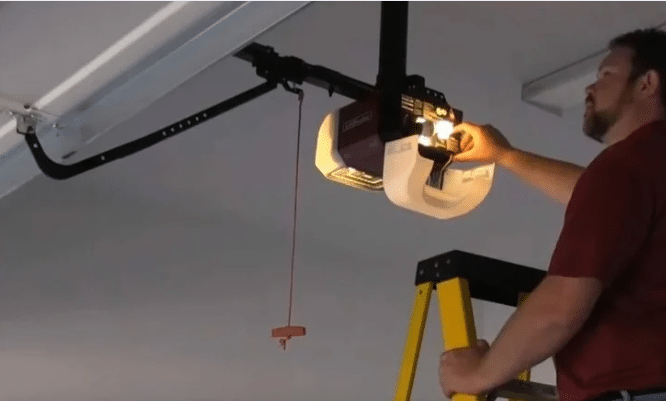
Garage door openers are essential in modern homes, offering convenience, safety, and secure access with the touch of a button. When problems occur, they often involve worn or broken parts for a garage door opener. Understanding how these parts function helps prevent unexpected failures and keeps your garage door operating smoothly for years.
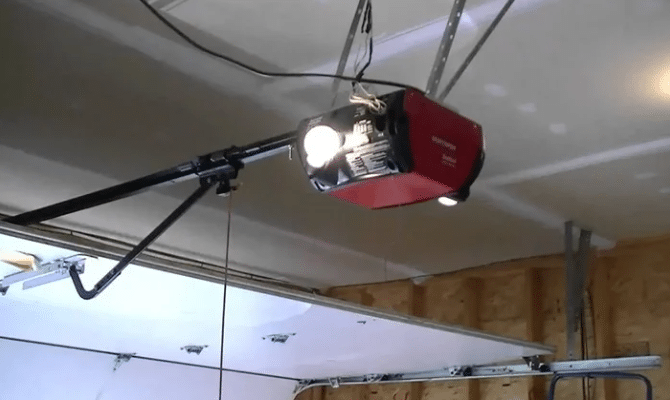
Each part is essential to your opener’s performance, from motors and chains to sensors and remote controls. This guide explains every major component, highlights common repair issues, and shares maintenance tips. Whether you enjoy DIY fixes or rely on professionals, you will learn how to protect your investment and avoid costly breakdowns.
Key Components of a Garage Door Opener
Knowing the main parts of a garage door opener helps you spot problems early. Each component works together to ensure smooth, safe, and reliable door operation whenever you use it.
1. Motor
The motor powers the garage door opener, lifting and lowering the door. Housed in a durable case, it ranges from 1/3 to 1 horsepower, depending on the door size and weight.
2. Drive Mechanism
The drive mechanism transmits the motor’s energy to move the door. There are several types of drive mechanisms:
- Chain Drive: Uses a metal chain, similar to a bicycle chain. It’s durable but can be noisy.
- Belt Drive: Utilizes a reinforced belt. This type is quieter and requires less maintenance.
- Screw Drive: Involves a threaded steel rod. It offers a balance between noise and efficiency.
- Direct Drive: Uses a motor that slides along a fixed chain to open and close the door. It’s one of the quietest options.
3. Track and Rollers
The track and rollers guide the garage door during movement. The metal track and small wheels must stay clean and lubricated to ensure smooth, quiet, and reliable door operation.
4. Springs
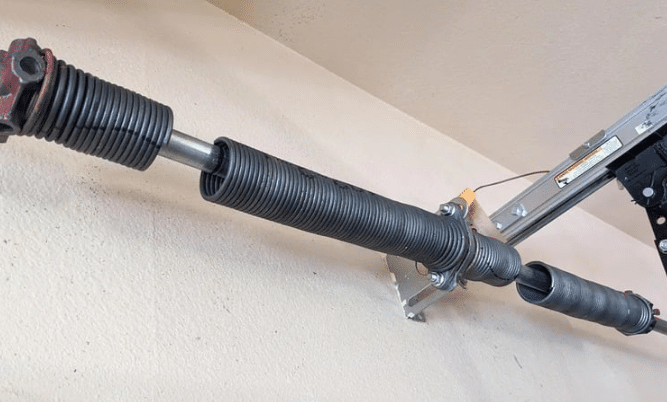
Garage door springs help balance the door’s weight so it opens and closes more easily. There are two main types:
- Torsion Springs: Sit above the garage door and use twisting force to help lift it smoothly.
- Extension Springs: Placed on both sides of the door and stretched or shrunk to help open and close it.
5. Remote Control and Sensors
The remote lets you open and close the garage door from a distance. Safety sensors near the ground stop the door if something is in the way to avoid accidents.
Understanding Garage Door Opener Mechanisms
Garage door opener types vary in how they operate your door and the noise level they produce. Choosing the right one depends on your door size, layout, and lifestyle.
Chain Drive Openers
Chain-drive openers use a strong metal chain to lift heavy garage doors. They’re reliable and affordable, but they can be noisy, especially near bedrooms or living areas.
Belt Drive Openers
Belt drive openers work with a rubber belt rather than a metal chain. They’re quieter and great for attached garages, especially if noise is a concern near your living space.
Screw Drive Openers
Screw drive garage door openers use a steel rod to move the door. They have fewer moving parts, which means less upkeep, but they need occasional lubrication.
Direct Drive Openers
Direct drive openers move with one motor sliding along a fixed rail. They are extremely quiet, durable, and low-maintenance, making them ideal for long-term performance and reliability.
Smart Garage Door Openers
Smart garage openers link to Wi-Fi and let you control the door using your smartphone. For extra safety and control, you can open, close, and monitor your garage door from anywhere.
Common Issues with Garage Door Openers
Garage door openers are built for convenience, but problems can still happen. Knowing what causes these issues helps you fix them fast and keep your opener working smoothly.
Door Won’t Open or Close
If your garage door doesn’t open or close, check the remote’s batteries, the power source, or the safety sensors for any issues. These common garage door opener problems often have simple fixes.
Noisy Operation
Loud sounds during use usually mean dry rollers, loose bolts, or worn parts. Regular garage door opener maintenance and lubrication can quickly quiet things down.
Door Reverses Before Closing
If your garage door starts to close but then reverses, dirty or misaligned sensors are often the cause. Wiping them off and adjusting their position usually fixes the problem.
Remote Control Malfunctions
If the remote stops working, check the batteries, reprogram it, or look for signal interference. Most garage door opener remote issues are easy to fix on your own.
Slow Operation
A slow garage door can point to weak springs or motor trouble. Keeping up with opener maintenance helps spot and fix these problems before they get worse.
Essential Parts for a Garage Door Opener
Keeping your garage door opener in good shape starts with the right parts. Replacing worn-out pieces helps your opener work better, last longer, and avoid surprise breakdowns.
Replacement Springs
Garage door opener springs help lift the door. Replacing them with the right size keeps your opener working safely and smoothly when they break or lose tension.
Rollers and Tracks
Worn rollers and dirty tracks can make your door noisy or stuck. Replacing rollers and cleaning tracks improves performance and quietens your garage door.
Safety Sensors
Safety sensors stop the door from closing on anything. If your garage door opener is not reversing properly, test or replace the sensors for better safety.
Remote Controls and Keypads
Garage door opener remotes and keypads boost security and convenience. A universal remote or keypad upgrade makes entry easier and adds smart features like access codes.
Drive Belts and Chains
Drive belts or chains move the door. If they are worn or noisy, replacing them helps your garage door opener run more quietly and efficiently every day.
Maintenance Tips for Garage Door Openers
Keeping your garage door opener in good shape helps it last longer and work better. Simple maintenance can prevent breakdowns and save you from costly garage door repairs.
1. Regular Inspections

During monthly checks, look for loose bolts, rust, or worn parts. Fixing small issues early prevents bigger garage door opener problems later.
2. Lubrication
Spray silicone on hinges, rollers, and tracks twice a year. It cuts down noise and helps the garage door opener parts move smoothly.
3. Balance Testing
Disconnect the opener and lift the door halfway. A garage door expert may need to adjust the springs if the door won’t stay in place.
4. Sensor Alignment
Ensure that both safety sensors face each other, with nothing obstructing them. Wipe off the dust so your garage door opener stops safely when needed.
5. Battery Checks
Swap the remote and keypad batteries once a year. Keep extras handy so your garage door opener always works when needed.
Troubleshooting Your Garage Door Opener
Garage door opener issues often pop up when you least expect them. Learning a few simple troubleshooting tips can save you time and money, helping you avoid unnecessary garage door repair calls.
Identifying the Problem
Start by watching how the opener works and listening for any unusual noises. These clues often indicate specific garage door opener issues that require prompt attention.
Conducting Basic Tests
Look at the power supply, test the safety sensors, and ensure your remote works. Simple troubleshooting steps like these can often fix minor problems without needing a garage door repair technician.
Consulting the Manual
Your garage door opener manual lists common problems and easy fixes. It’s a handy tool for identifying issues before calling a professional.
Seeking Professional Help
If basic fixes don’t work, call a local garage door technician. They can safely handle complex garage door opener repairs and help keep your system running right.
When to Replace Parts of Your Garage Door Opener
Most garage systems withstand daily wear, but their parts eventually wear out. Spotting signs early helps keep everything running safely while avoiding costly repairs down the road.
Signs of Wear and Tear
Frayed cables, rusty springs, or worn rollers mean it’s time for a replacement. Swapping these out early prevents serious damage and keeps your opener running safely.
Aging Components
Old opener parts may slow down or lose efficiency. Upgrading to modern garage door opener parts boosts performance, energy use, and long-term reliability.
Frequent Repairs
Frequent garage door opener repairs and fixes can quickly become expensive. A new model with better features and stronger parts may save money and improve security.
Professional Repair vs. DIY Maintenance
Caring for your garage door opener doesn’t always mean calling a professional. Knowing when to DIY and when to hire help can save money and keep things running smoothly.
| Feature | Professional Repair | DIY Maintenance |
| Skill Level Required | Done by trained technicians with specialized knowledge. | Basic tools and knowledge are usually enough. |
| Cost | Higher upfront costs due to labor and expertise. | Low cost if you already have tools. |
| Safety | Safe handling of high-tension parts and electrical components. | It’s dangerous if done wrong, especially with springs or wiring. |
| Time | Quick and efficient repairs with professional tools. | It may take longer without experience. |
| Ideal For | Major issues like spring replacement, motor problems, or rewiring. | Simple jobs like adding lubricant, tightening bolts, and wiping sensors. |
| Reliability | Guaranteed work with warranties or service guarantees. | Depends on your skill and consistency. |
| Peace of Mind | Less stress knowing a pro handles the work safely. | Satisfying if you’re confident, but risky if you are unsure. |
Frequently Asked Questions
How do I know which garage door opener parts I need?
Check your garage door opener model number, usually found on the motor housing, and determine which part isn’t working right. Compare symptoms like noise, jerky movement, or failure to open to help identify the faulty part.
Are garage door opener parts universal?
Most garage door opener parts are brand—and model-specific, so they won’t fit every system. Always check the part number or consult your owner’s manual to find the correct match.
Will replacing the motor fix a noisy garage opener?
If the motor is old or grinding, replacing it may help reduce noise. However, noise is often caused by worn rollers, loose parts, or metal chains, which might also need replacing.
How do I know when the safety sensors are bad?
If your garage door reverses when closing or won’t close, your safety sensors may be misaligned or faulty. Blinking sensor lights or dirty lenses are also signs that need cleaning or replacing.
Conclusion
Your garage door opener works daily, so keeping it in good working order is essential. Knowing the right parts for a garage door opener helps you address minor issues early, saving time and money and avoiding more significant, expensive garage repairs later on.
Need help figuring things out? You can easily get expert garage door repair in Richmond, TX, with one quick call. At First Call Garage Doors, we offer honest advice, fast service, and the know-how to fix openers, replace parts, or guide simple maintenance.
Don’t wait for something to stop working. Book a free inspection today with First Call Garage Doors. We will inspect all garage door opener parts and recommend smart, affordable fixes that keep your home safe, quiet, and running smoothly.
End Note
Looking for trusted garage door help that’s fast, friendly, and local? At First Call Garage Doors, we make it easy to find the right parts for a garage door opener, repair broken springs, or replace old openers. We take care of everything from fixing garage door opener repair to full door replacement, always offering fair prices and reliable, expert service.
Explore our wide list of garage services, including garage door repair, spring replacement, and regular maintenance to keep everything running smoothly. Whether you need one-time service or dependable garage door maintenance, we’re ready to help. We serve areas across Texas, so you can check if we’re near you on our service areas page.
Want to learn more about who we are? Visit our About Us page, check out real work in our gallery, or read helpful tips from our blog posts. Don’t forget to follow us on Instagram or browse everything at once on our Linktree. Ready to get started? Contact us today and make First Call Garage Doors your go-to team for safe, reliable garage door solutions.
First Call Garage Doors
20527 FM 1093 Unit B205, Richmond, TX 77407, United States
+17132482684